

Our blog
Air conditioning, heating, plumbing, and commercial services
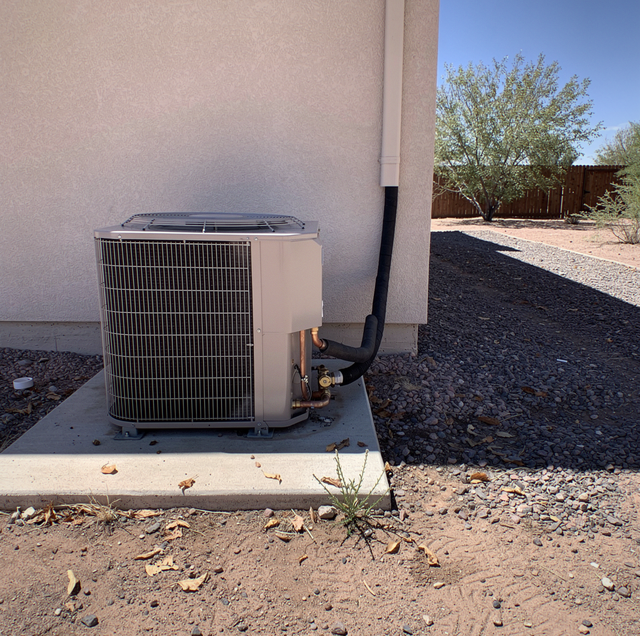
Warning Signs of a Refrigerant Leak in Your AC System
Your air conditioner does not use up refrigerant the way your car burns through gasoline.
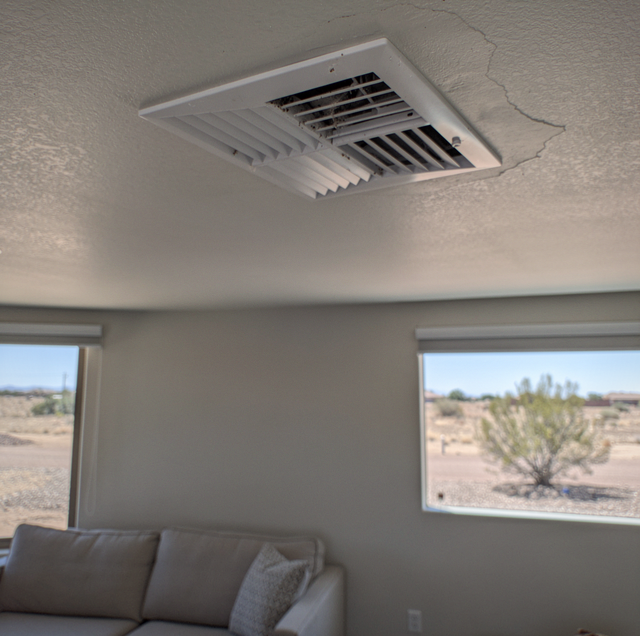
Why Your Heat Pump Blows Cool Air (Not Always a Problem)
Hold a hand in front of a heat pump's supply register while it's heating correctly, and the air can still feel cool against skin even though the equipment is doing its job.
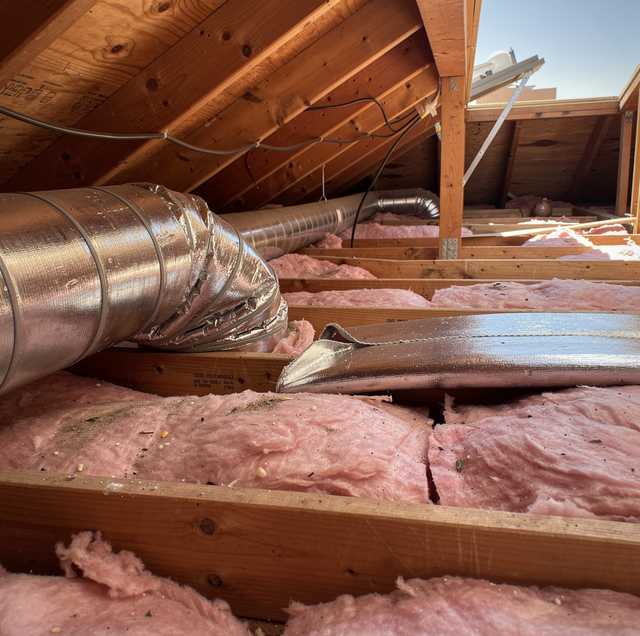
Why Is Your Heating Bill So High? 7 Real Cost Drivers
You turned the thermostat up two degrees, and the next statement jumped far more than two degrees' worth.
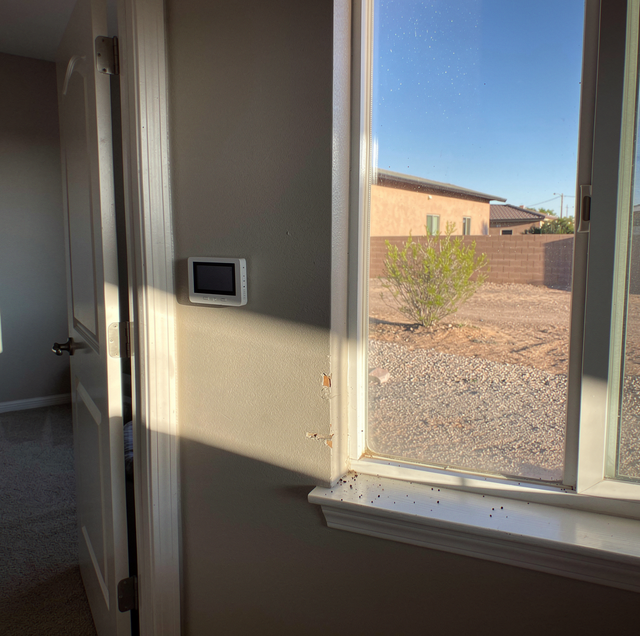
Why Some Rooms In Your House Run Hotter Than Others
The thermostat in the hallway reads 72. Walk into the back bedroom, and it feels closer to 78. Walk into the room over the garage and grab a sweater.
Signs Your Home Actually Needs Better Indoor Air Quality
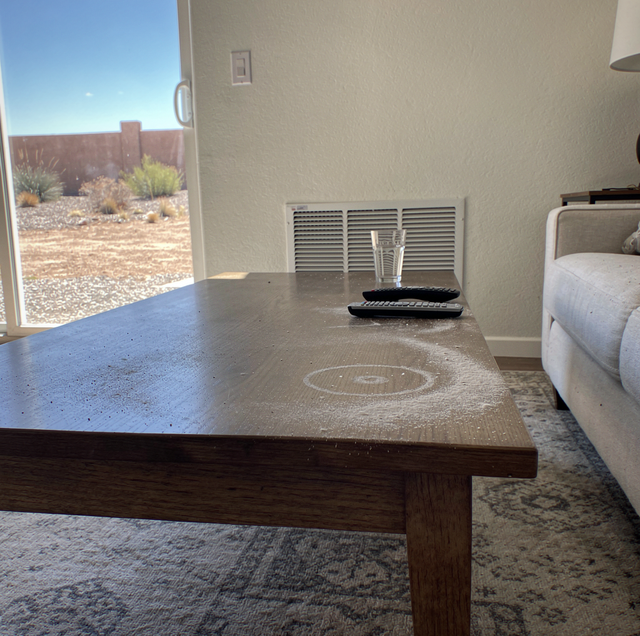
You dust the shelves on Sunday, and by Thursday there's already a thin film back on the coffee table.
Repair or Replace: When Is an AC Worth Fixing?
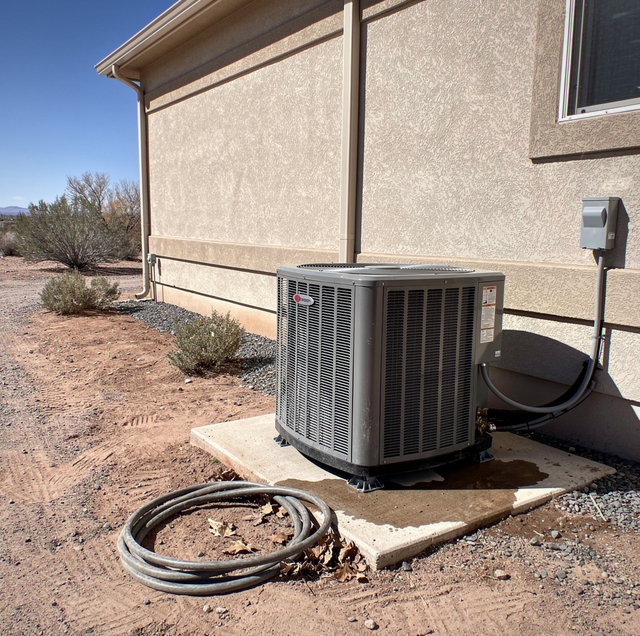
An air conditioner rarely fails all at once. It shows up as one repair call, then another a year or two later, then a third that costs noticeably more than the last two combined.
How a Mini-Split Cools an Adobe or Thick-Walled Home
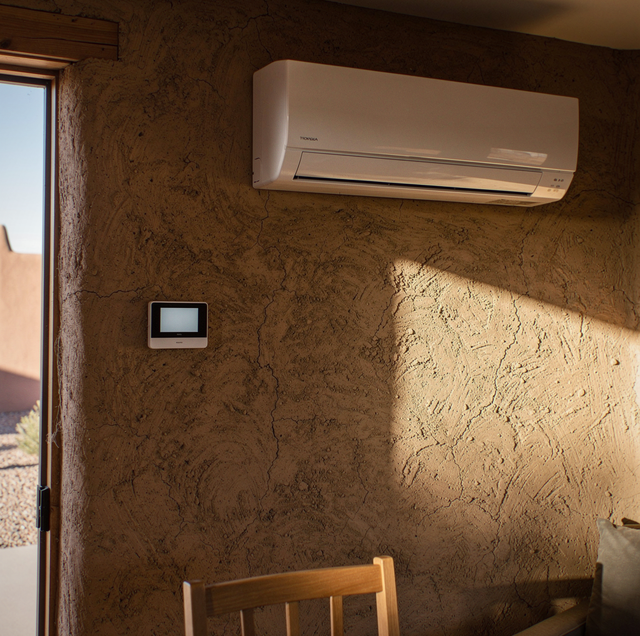
An older home built with thick earthen or masonry walls was designed around a different kind of comfort than central air was ever meant to deliver.
Whole-House Humidifier: How It Fixes Dry, Static-Filled Air
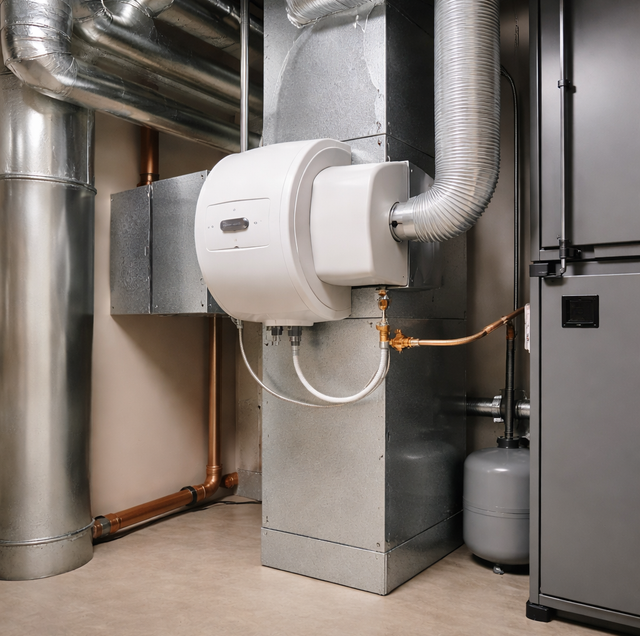
Dry indoor air rarely announces itself. You notice the symptoms first: skin that tightens after a shower, a static pop when you touch a doorknob, a hairline gap that opened along a hardwood plank.
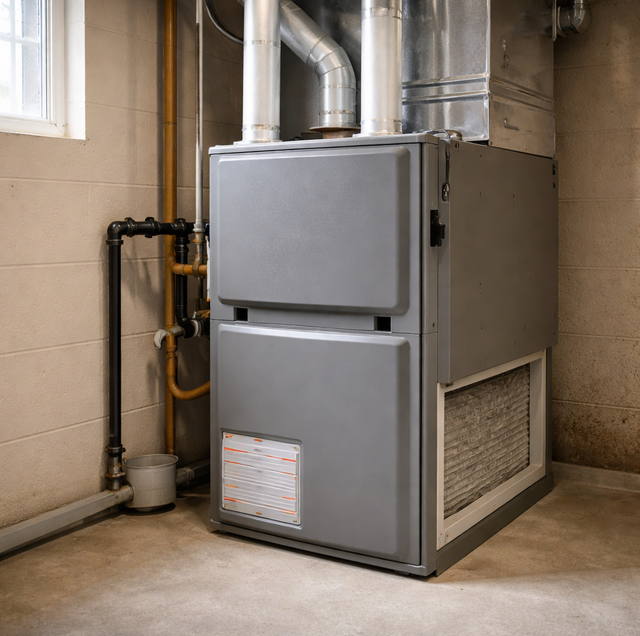
Furnace Blowing Cold Air? 7 Reasons and Quick Fixes
Few things rattle a household faster than walking past a vent in the middle of a cold snap and feeling a draft of room-temperature air where heat should be.
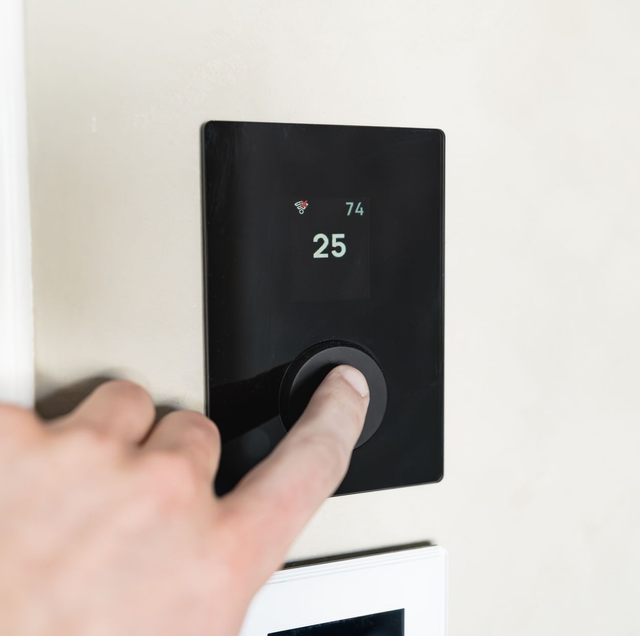
Thermostat Not Matching Room Temperature? 8 Real Causes
You set the thermostat to 72, but the far end of the living room feels closer to 78, or a handheld thermometer on the kitchen counter disagrees with the wall by several degrees.
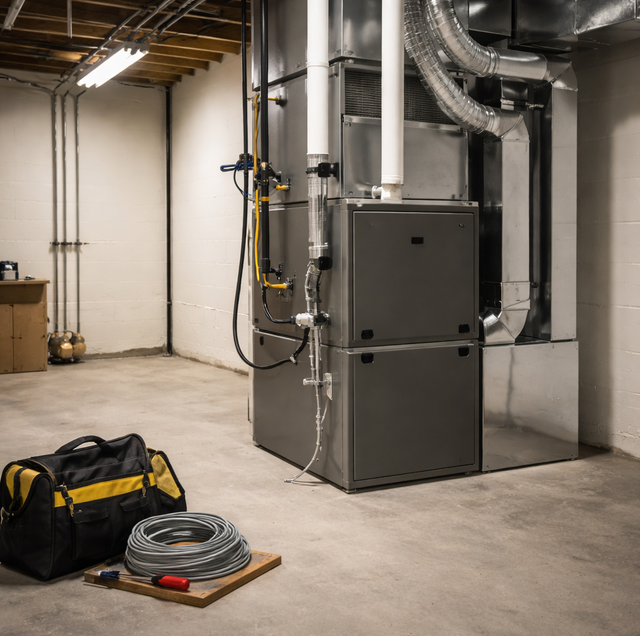
Two-Stage vs. Single-Stage HVAC: Which Comfort Wins?
You set the thermostat and the house never quite settles. One room feels cold while another stays warm, the air turns clammy, and the system roars to life, then falls silent, over and over.
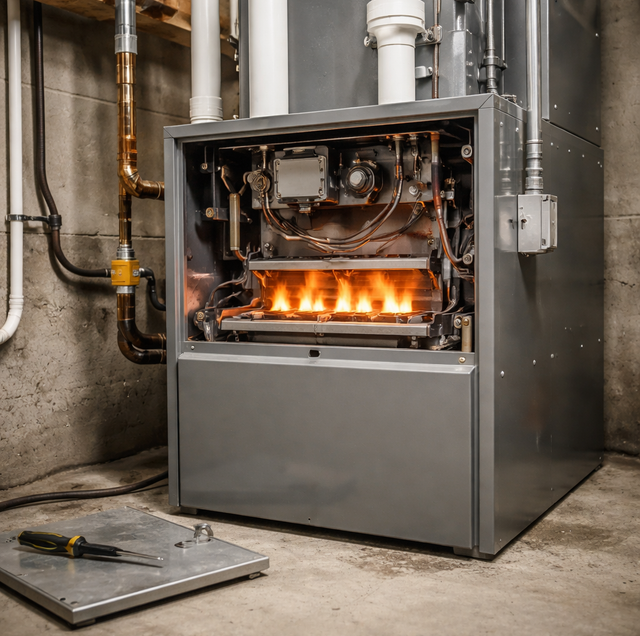
8 Furnace Failing Signs You Should Never Ignore
Your furnace rarely dies in a single dramatic moment. It slides toward failure over weeks or seasons, dropping hints along the way.
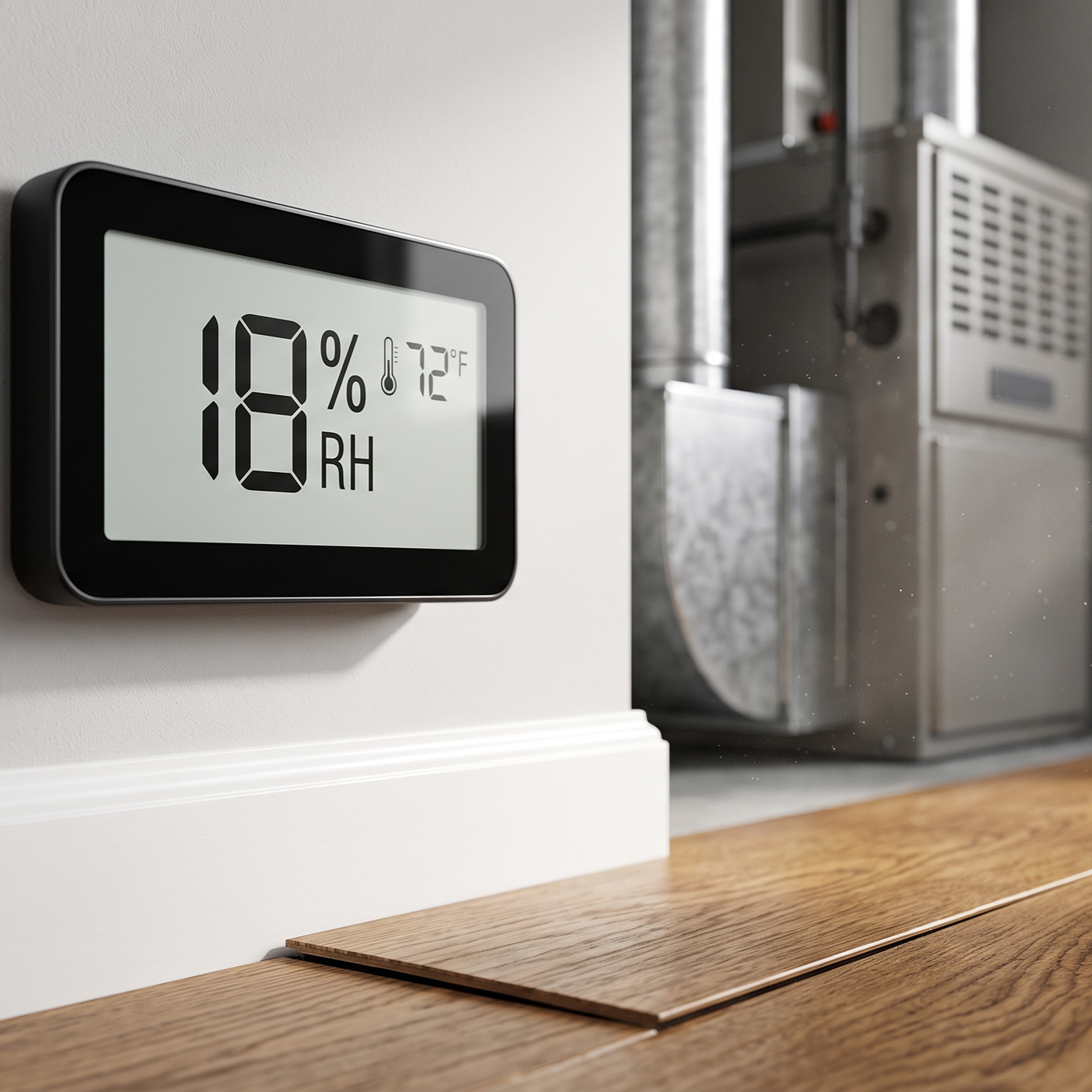
Why Is the Air in My Home So Dry? 5 Real Causes
You wake up with a scratchy throat, reach for the doorknob, and get zapped. The hardwood floor has opened a hairline gap that it did not have in the spring. Your skin feels tight no matter how much lotion you use. All of these point to the same thing: the air inside your home is holding very little moisture, and it is affecting both your comfort and your house.
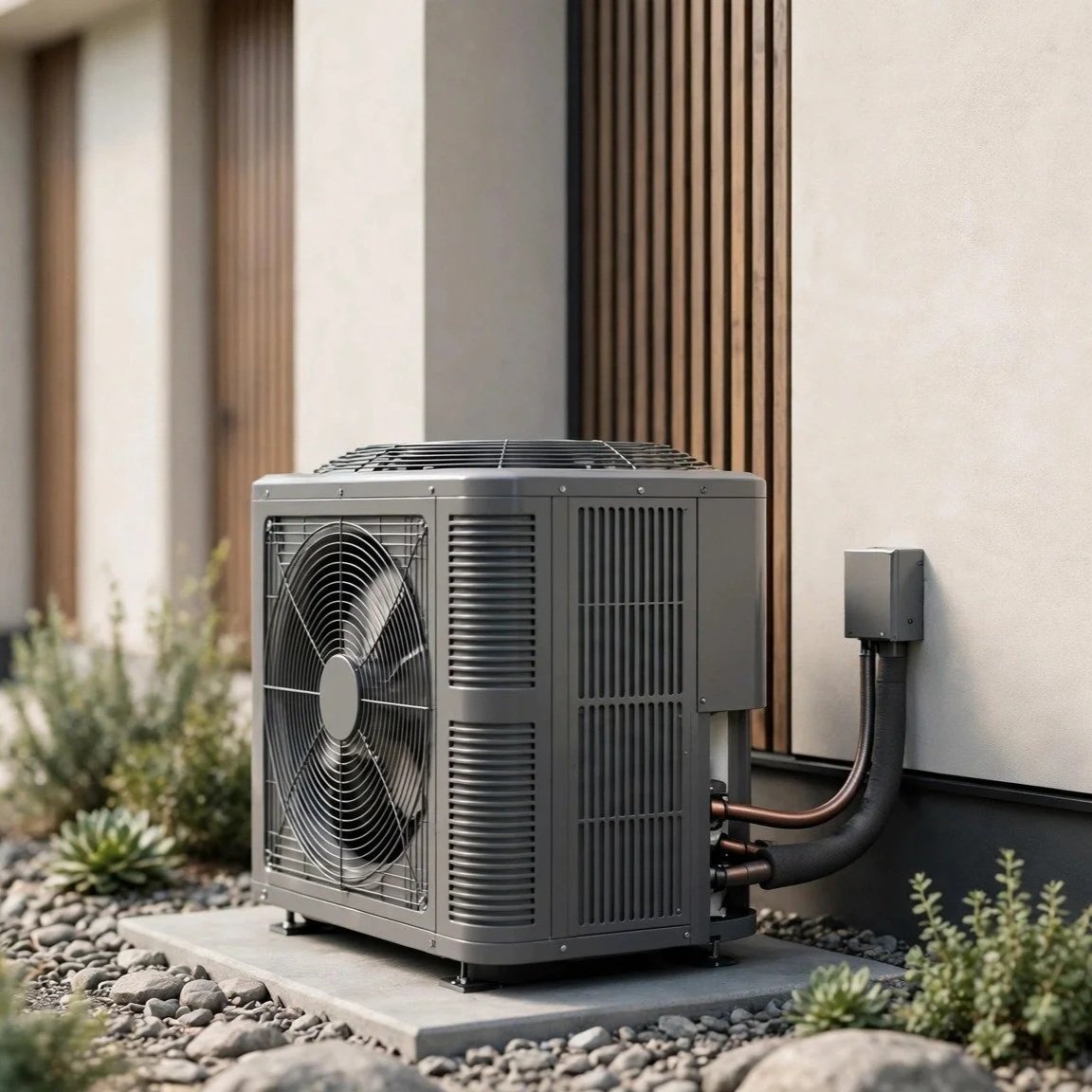
What Size Air Conditioner Does Your Home Really Need?
Almost everyone shopping for a new air conditioner asks the same first question: What size do I need? It is the right question, but the word "size" causes most of the confusion. A bigger physical box does not mean more comfort, and a common shortcut, one ton for every so many square feet, sends plenty of homes toward the wrong unit. Before you can pick a number, it helps to understand what that number actually describes and how a system is supposed to behave once it is installed.
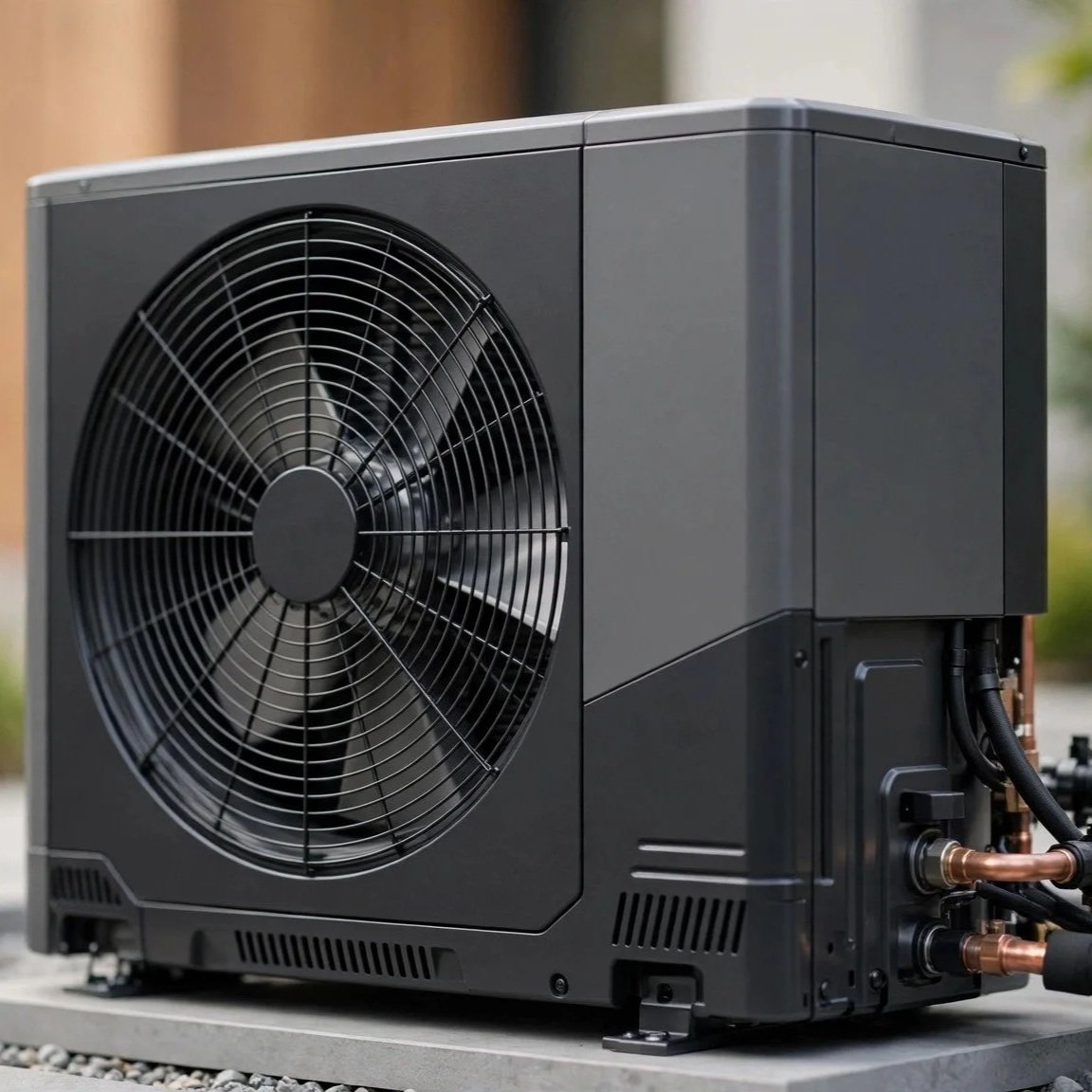
What SEER and HSPF Ratings Really Tell You About Efficiency
Shopping for a new air conditioner or heat pump means running into a wall of numbers: SEER, SEER2, HSPF, EER, EER2. Salespeople quote them, yellow EnergyGuide stickers print them, and the higher figures usually cost more. But a rating only helps you if you know what it measures and, just as important, what it does not promise. Here is what each of these numbers actually tells you about how a system will perform, so you can weigh the right one against how you live.
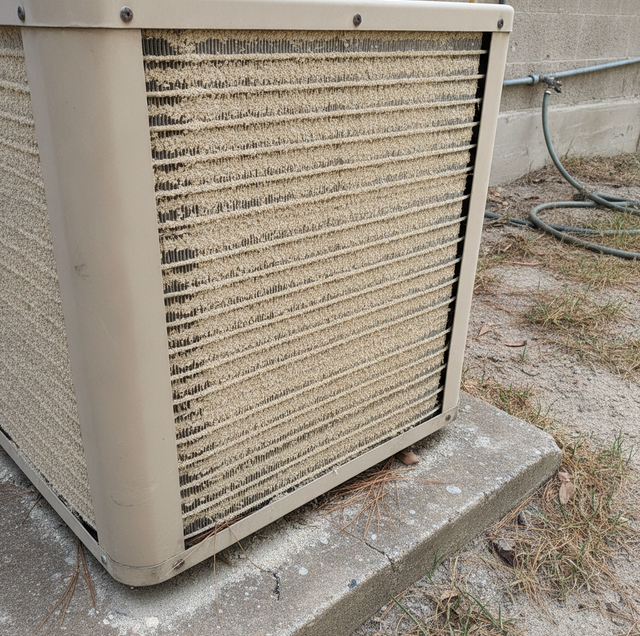
How Fine Dry-Climate Dust Wears Down Your HVAC System
Fine, dry-climate dust is not the same as ordinary household dust. It is finer, drier, and constantly on the move, kicked up by afternoon wind and driven hard during windy, stormy stretches, then settling again on calm mornings when a heater pulls it back indoors. That grit does not stay outside. Your HVAC system spends the whole year moving air through your home, and every cubic foot it moves carries a little of that fine mineral powder into the filter, coils, blower, and ductwork. Nothing about it announces itself. The system keeps running, the house keeps cooling and heating, and the wear builds up out of sight until efficiency has slipped and a part finally protests. This is a tour of exactly where the dust lands and what it does at each stop.
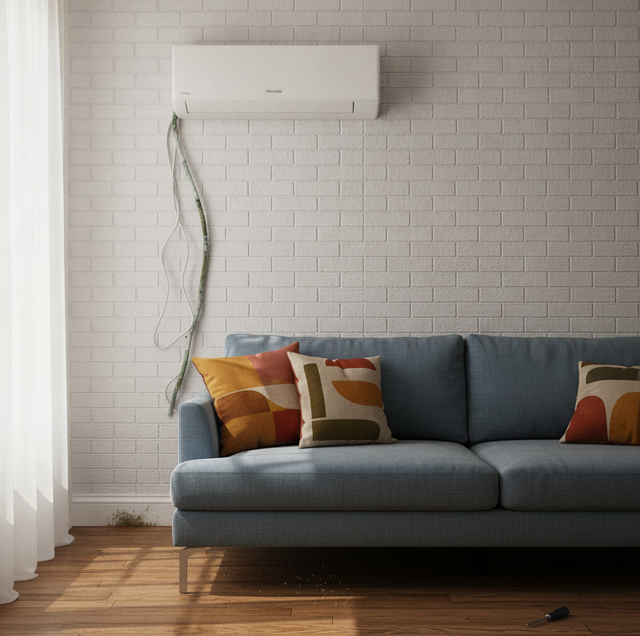
Ductless Mini-Split vs. Central AC: Which Fits Your Home?
You need to cool your home better, and the choice has come down to two very different systems: a central air conditioner that pushes cold air through ducts to the whole house, or a ductless mini-split that mounts units on the walls and cools room by room. They both cool, but they go about it so differently that the right one depends entirely on your house and how you live in it.
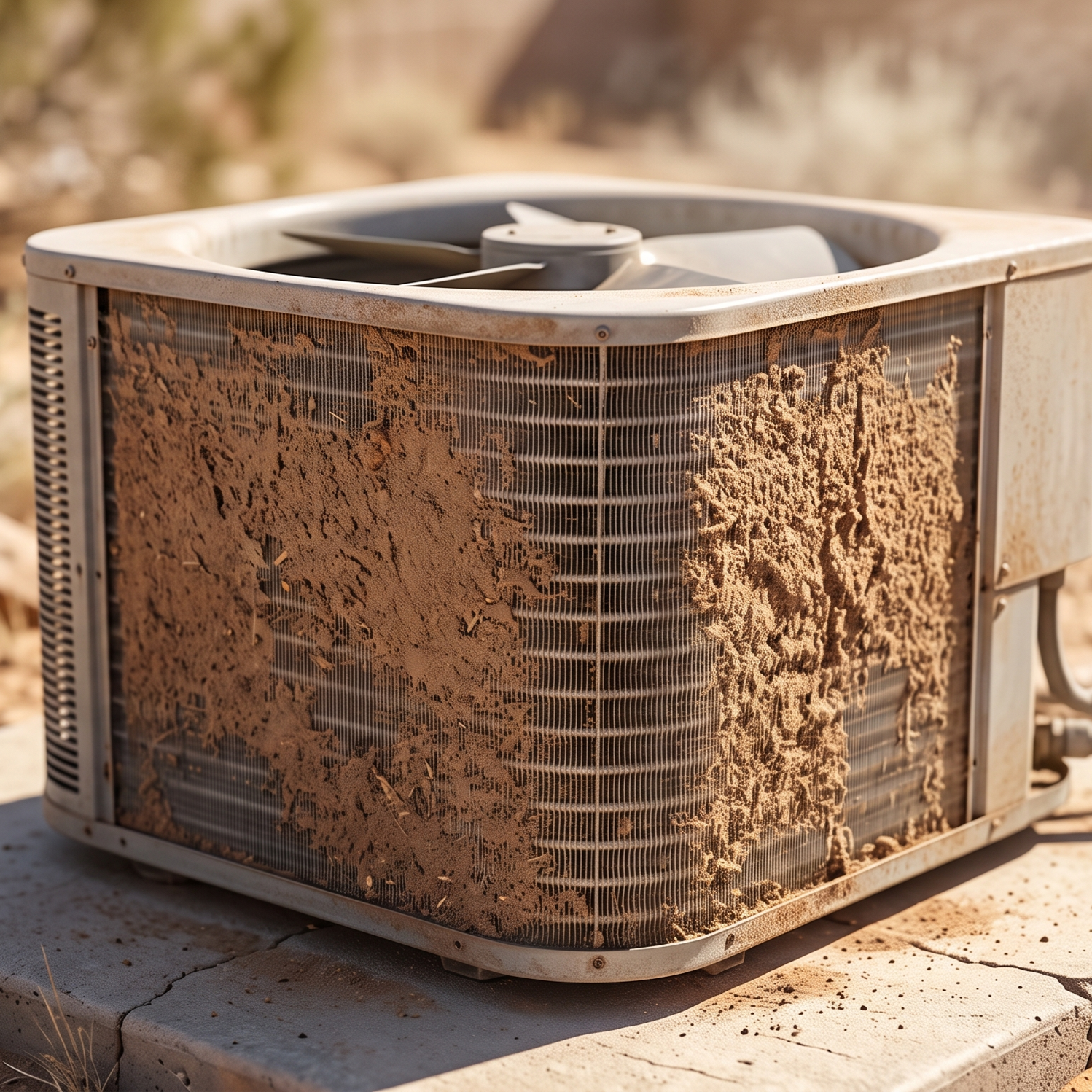
Why Your AC Runs but Won’t Cool in the Desert Heat
In Albuquerque's summer heat, an AC that runs but blows warm or barely-cool air is more than an annoyance — it's a comfort and even a health concern when temperatures climb. The confusing part is that the system seems to be working: the fan's running, you hear it going, but the house won't cool down. That's actually a useful clue. The unit has power, and air is moving; what's failing is the part of the system that removes heat. Here is what causes that and what to check.
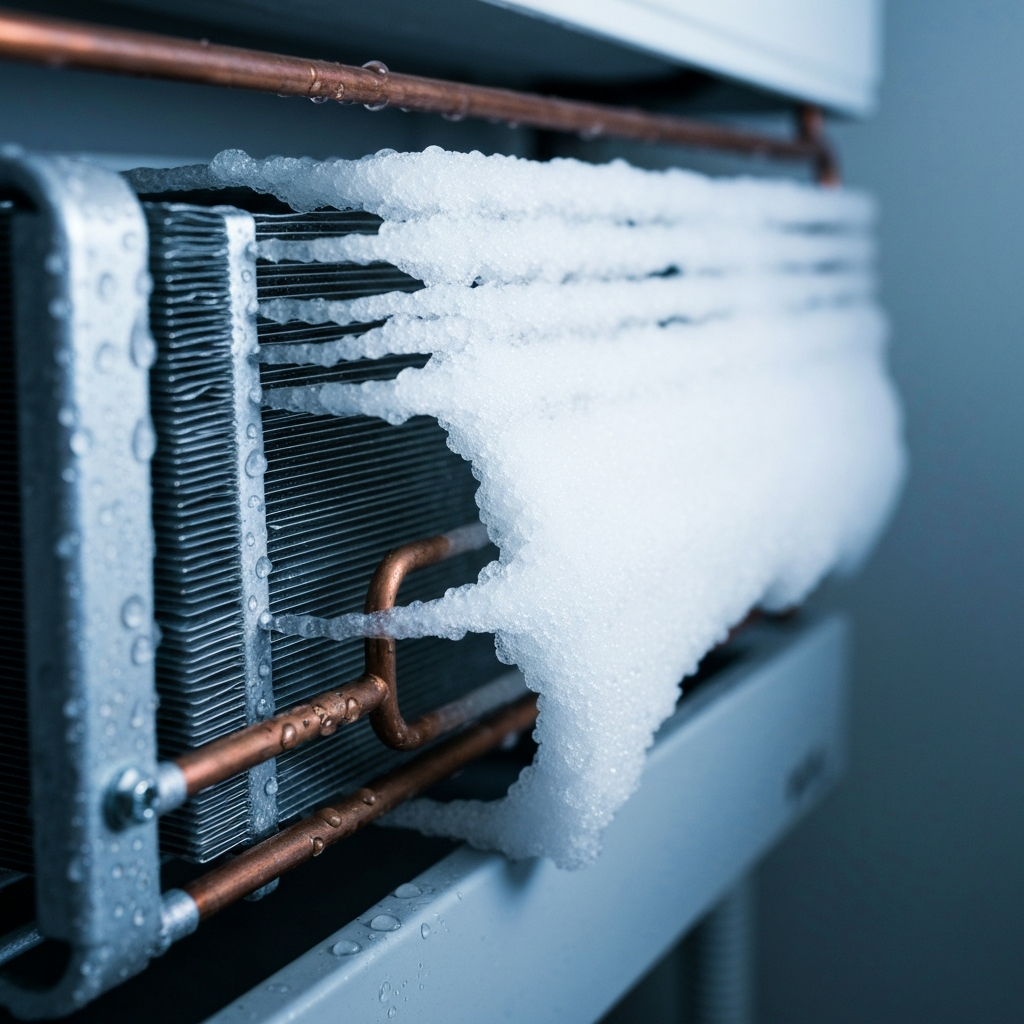
Ice on Your AC in Summer? Why It Freezes Up
Finding ice on your air conditioner in the middle of summer seems impossible — it's the one appliance that's supposed to fight heat, not make frost. But a frozen AC is a common problem, and the irony is that once it ices over, it stops cooling entirely. Understanding why an AC freezes up explains what to do when it happens and, more usefully, how to keep it from happening again. The cause almost always comes back to one of two things.
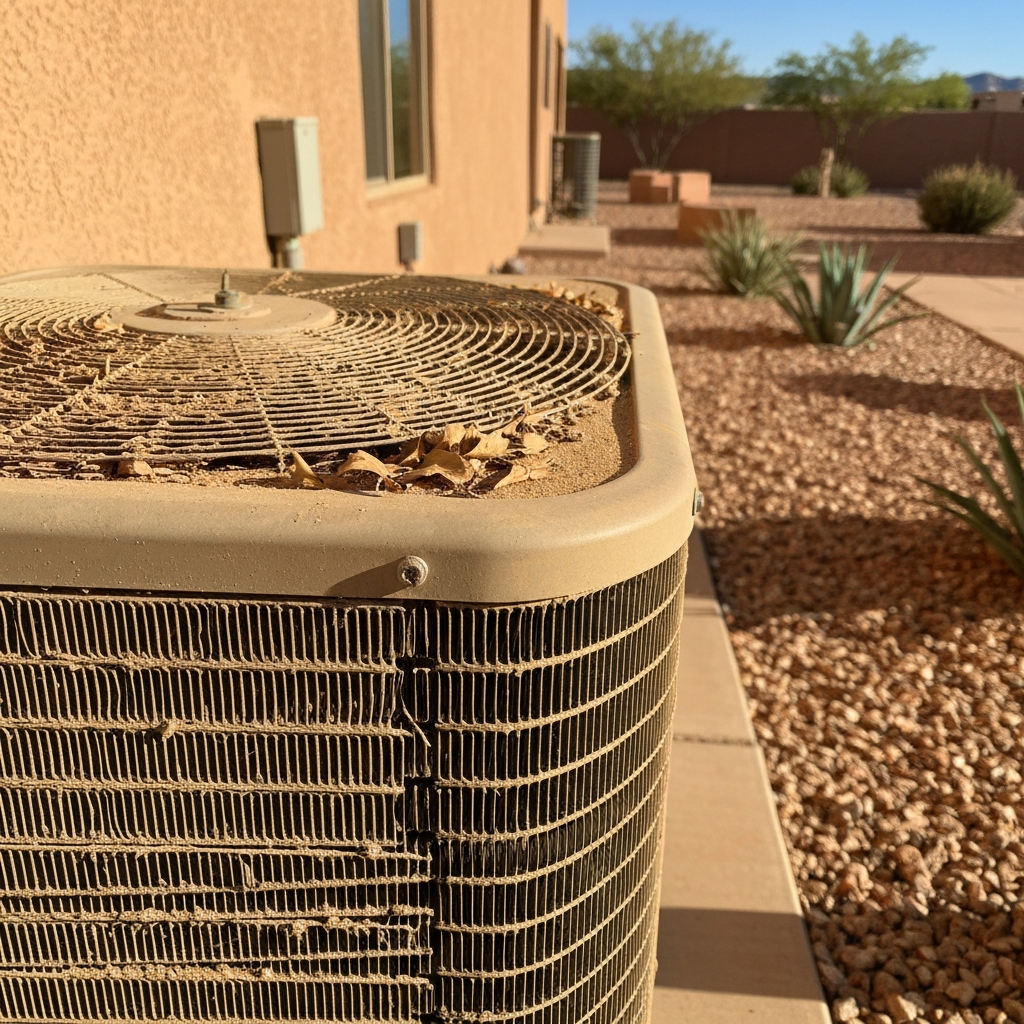
7 Signs Your AC Needs Repair Before Summer Hits
In Albuquerque, summer AC isn't a luxury — it's how you get through the heat. Which is exactly why the worst time for it to fail is the first brutal week of the season, when every repair company is slammed, and your house is baking. The good news is that an AC almost always shows signs of trouble before it quits, and spring is the time to catch them. Testing your system and addressing the warning signs before summer means the AC is ready when you actually need it.