
Signs Your Home Actually Needs Better Indoor Air Quality
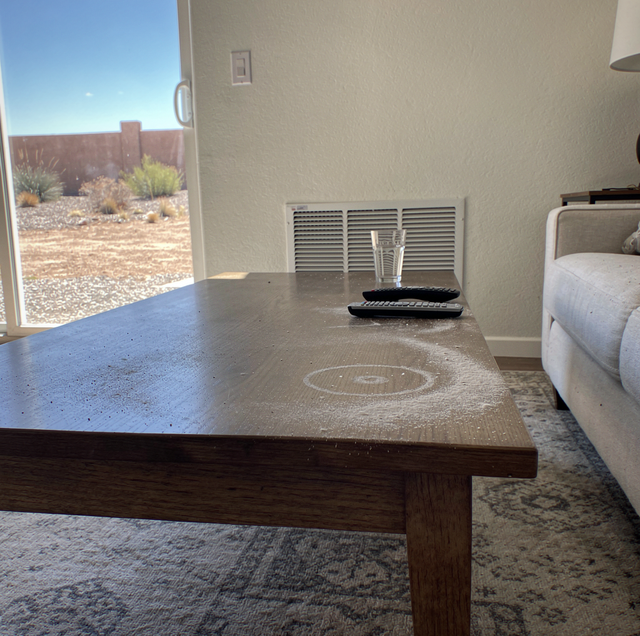
You dust the shelves on Sunday, and by Thursday there's already a thin film back on the coffee table. Your eyes itch the moment you walk in the door, but clear up the second you step outside. The house feels stuffy no matter how you set the thermostat. None of these things seem like a big deal on their own, but together they usually point to the same underlying issue: the air moving through your home isn't being managed the way it should be. Your heating and cooling system is built to control temperature. It was never designed to filter out fine particles, manage humidity swings, or clear stale air on its own, and that gap is exactly where indoor air quality problems tend to show up.
Most homeowners don't think about air quality until something forces the issue, whether that's a family member's allergies getting worse or a musty smell that won't go away. The good news is that the signs are usually easy to spot once you know what to look for, and most of them trace back to a small handful of causes that have clear, direct fixes.
Dust Keeps Coming Back Faster Than It Should
If you're wiping down the same surfaces every few days and they're already coated again, that's not a cleaning problem. It's a filtration problem. Every home generates dust from skin cells, fabric fibers, pet dander, and whatever tracks in from outside, and in a properly managed home, a large share of that gets pulled into the return air and caught by the filter before it settles on your furniture.
When dust reaccumulates unusually quickly, the air moving through your house carries more particles past the filter than it should catch. That can mean the filter itself is too basic to trap fine particles, it's overdue for a change, or the ductwork has gaps that let unfiltered air and attic or crawlspace dust mix into the airstream. Standard filters that came with the system are often rated for basic debris, not the fine dust and allergens that cause the most irritation. A higher-efficiency filter or a dedicated air purification system captures particles that a standard filter passes right through, which is usually the first thing to check when dust feels constant rather than occasional.
Allergy or Respiratory Symptoms Get Worse Indoors, Not Better
Pay attention to when symptoms hit. If sneezing, congestion, or watery eyes ease up outdoors but flare back up once you're back inside, that's a strong signal that something circulating through your home is the trigger, not seasonal pollen or outdoor conditions. Indoor air can concentrate allergens like dust mites, pet dander, mold spores, and pollen that gets tracked in and never fully leaves, especially in a house that doesn't exchange stale indoor air for fresh air very often.
A closed-up house recirculates the same air over and over, and every pass through that loop picks up more of whatever's already floating around. Filtration helps capture particles already in the air, but it doesn't prevent new sources from being introduced, nor does it bring in fresh air from outside. That's why homes with worsening indoor-only symptoms often need a combination approach: better filtration to reduce the particle load, plus a ventilation strategy that brings in fresh air in a controlled manner rather than relying on leaks around windows and doors.
Track when symptoms happen. Indoor-only flare-ups point to air quality inside the home. Symptoms that persist outdoors too usually have a separate cause worth mentioning to a doctor.
The Air Feels Stale or Stuffy Even When the Temperature Is Right
Sometimes a room feels wrong even though the thermostat says everything is fine. It's heavy, a little stuffy, and just doesn't feel like it's moving. That sensation usually comes down to a lack of air exchange rather than temperature. A home's heating and cooling system moves air within the house, but unless it's paired with a ventilation component, it doesn't necessarily bring in fresh outdoor air or push stale indoor air out.
Modern, well-sealed homes are efficient at holding conditioned air in, which is good for utility use but means the same air, along with everything in it, can sit in circulation longer than it used to in older, leakier construction. Cooking odors, cleaning product residue, and simple humidity from everyday living build up with nowhere to go. A ventilation upgrade, such as a system that exchanges a portion of indoor air for fresh outdoor air on a schedule, addresses this directly in a way that filtration alone cannot, since filtration cleans the air already in the loop rather than refreshing it.
Visible Mold or Mildew Shows Up in Damp Spots
A little discoloration around a bathroom vent, a musty smell from a closet, or dark spots near a window that gets condensation are all signs that moisture is sitting somewhere it shouldn't be long enough for mold to take hold. Mold needs moisture and a food source, and both are usually present in bathrooms, laundry areas, and any spot where humid air lingers without enough airflow to dry it out.
This is different from a general dry-air problem. Localized mold points to trapped moisture in a specific spot, often from a bathroom fan that isn't venting properly, condensation on a poorly insulated surface, or high humidity throughout the house. Addressing the visible spot with cleaning only solves the surface issue temporarily; if the moisture source and airflow problem behind it aren't corrected, it returns. A dehumidification component paired with better ventilation in problem areas usually resolves the underlying cause rather than just the visible symptom.
Humidity Swings Too Far in Either Direction
Comfort and air quality both depend on humidity staying in a reasonable middle range, and homes tend to drift toward one extreme or the other depending on the season and the climate they sit in. Air that's too dry causes cracked skin, irritated sinuses, static shocks, and even minor cracking in wood furniture or flooring as materials lose moisture. Air that's too damp feels heavy, encourages the mold and mildew issues covered above, and can make a room feel warmer than the thermostat reading suggests.
A dry climate pushes many homes toward the low end of that range for much of the year, especially once heating season starts and the air inside gets even drier than the air outside. If you notice static electricity building up constantly, dry throats in the morning, or wood trim and doors that seem to shrink and stick differently by season, dry air is a strong candidate. A whole-home humidifier tied into your existing system adds moisture back in a controlled, consistent way, providing a more even solution than portable units that require constant refilling and cover only one room at a time.
On the flip side, if you notice condensation on windows, a persistent damp feeling, or the mold signs mentioned earlier, the home is running too damp rather than too dry, and a dehumidification component is the better match. Either direction is a sign that humidity isn't being actively managed, only reacted to.
Why These Signs Cluster Together
It's common for a home to show two or three of these signs at once rather than just one, and that's not a coincidence. Dust, allergens, stale air, and humidity imbalance are all connected through the same air handling system, so a gap in one area tends to compound the others. A house with excess dust and no fresh-air exchange is also more likely to trap allergens indoors. A home running too dry from heating season is also more prone to static and skin irritation showing up alongside the dust complaints.
Don't attempt to inspect ductwork, attic spaces, or electrical components of a humidifier or ventilation system yourself. Leave that to a trained technician.
That overlap is actually useful information. If you're noticing more than one of these signs together, a single, well-matched combination of filtration, humidity control, and ventilation usually addresses the whole cluster more efficiently than treating each symptom separately with a portable gadget here and a room humidifier there.
Matching the Sign to the Right Fix
Not every air quality complaint needs the same solution, and figuring out which piece is missing narrows down what's actually worth adding. Fast-returning dust and worsening allergy symptoms point toward filtration or air purification upgrades that capture particles before they recirculate. A stale or heavy feeling in the air, even with normal temperatures, points toward a ventilation gap that filtration alone won't fix. Visible mold or a musty smell in specific rooms points toward trapped moisture and localized ventilation, often paired with dehumidification. Static, dry skin, or cracking wood point toward a humidifier, while condensation and a damp feeling throughout the house point the other way, toward dehumidification.
A technician who specializes in indoor air quality can walk through a home, identify which of these signs are present, and recommend a system that matches, rather than guessing with a one-size-fits-all product. Many of these components, including whole-home humidifiers, ventilation systems, and filtration or purification add-ons, can be integrated with your existing heating and cooling equipment rather than operating as standalone units, which tends to work more consistently and requires less day-to-day attention.
Frequently Asked Questions
Every home collects some dust, so the distinction is really about pace and persistence. If cleaned surfaces stay reasonably clear for a week or more, that's normal. If dust visibly returns within a couple of days no matter how often you clean, that points toward a filtration gap rather than typical household dust.
Houseplants have a limited effect on air quality in a typical home because the volume of air in a house is far larger than what a handful of plants can meaningfully filter. They can be a nice addition, but they shouldn't be relied on as a substitute for proper filtration or ventilation.
Yes. Stale air, higher dust and allergen levels, and humidity that's too high or too low can all contribute to congestion, dry throat, or general discomfort that makes it harder to fall or stay asleep. Correcting the air quality issue often improves sleep as a secondary benefit.
To some extent, yes. Heating season tends to dry air out further, while humid stretches can push moisture levels up, especially in bathrooms and other enclosed spaces. A home with well-managed humidity control should see smaller seasonal swings than one without any humidity control.
Not automatically. A filter rated to catch finer particles needs a system that can still pull air through it efficiently. An overly restrictive filter installed in a system not designed for it can reduce airflow and cause other problems. Matching filter rating to the system is more important than simply choosing the highest rating available.
Most components benefit from a check during regular heating and cooling maintenance visits, since a technician can inspect filters, pads, and ventilation components while already servicing the system. Waiting until something visibly fails often means the equipment has been working below capacity for a while without anyone noticing.
Schedule an indoor air quality assessment — a technician can identify which signs your home is showing and recommend the right combination of filtration, humidity control, or ventilation. Hi-Tech Heating and Cooling serves Albuquerque, Rio Rancho, and Corrales. Call (505) 398-4398.
