
What SEER and HSPF Ratings Really Tell You About Efficiency
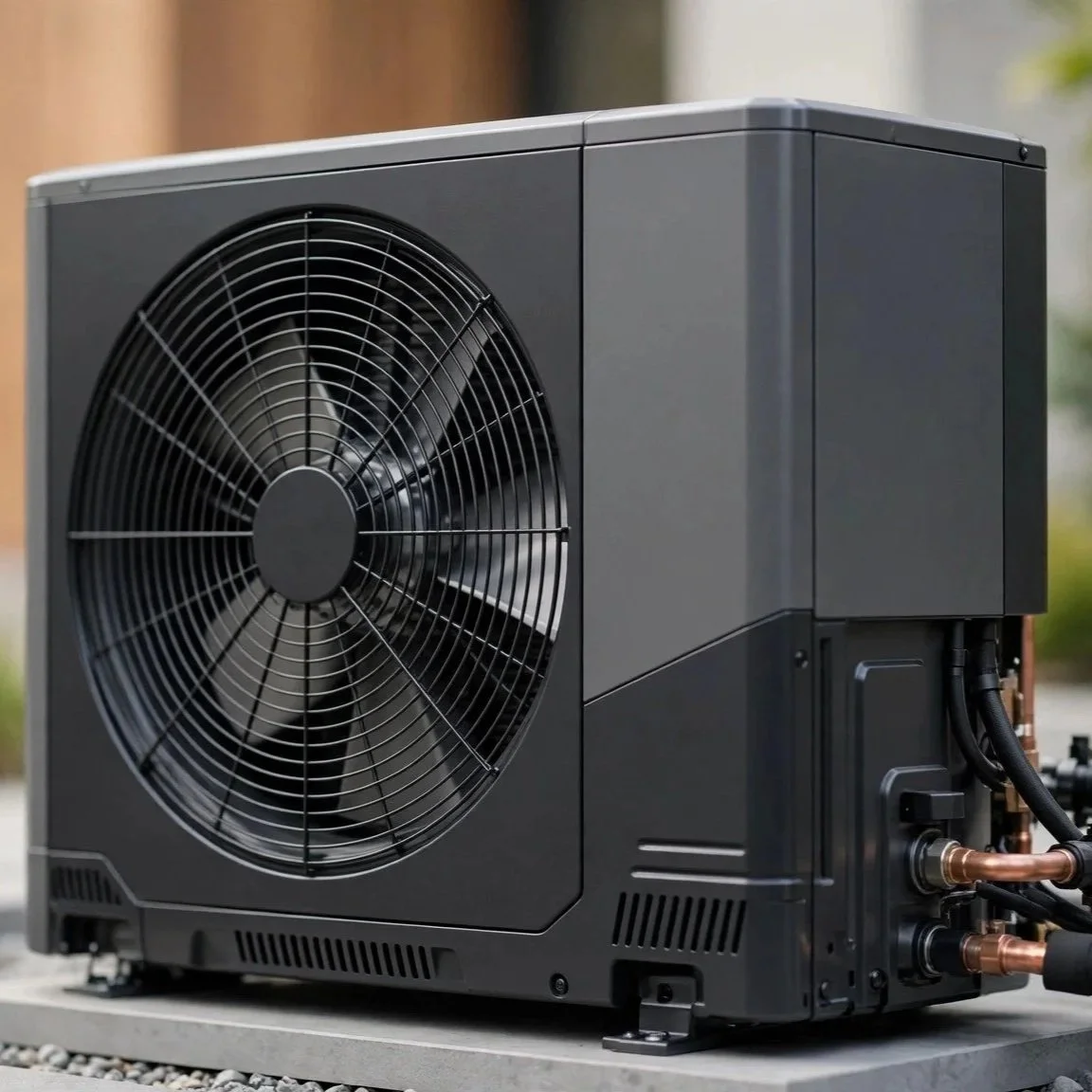
Quick Answer: SEER measures a cooling system's seasonal efficiency (cooling delivered divided by energy used over a season); the higher the SEER, the more efficient the cooling system. SEER2 is the current, slightly stricter test version, so SEER2 numbers read a little lower than old SEER for the same equipment. HSPF (now HSPF2) measures the same thing for a heat pump's heating. EER/EER2 measures efficiency at a single hot-weather peak, which matters most in dry, hot climates. All of them describe a maximum under ideal conditions, so real savings still depend on correct sizing and a clean, sealed install.
Shopping for a new air conditioner or heat pump means running into a wall of numbers: SEER, SEER2, HSPF, EER, EER2. Salespeople quote them, yellow EnergyGuide stickers print them, and the higher figures usually cost more. But a rating only helps you if you know what it measures and, just as important, what it does not promise. Here is what each of these numbers actually tells you about how a system will perform, so you can weigh the right one against how you live.
What SEER Actually Measures
SEER stands for Seasonal Energy Efficiency Ratio. It is the amount of cooling a system delivers across a full cooling season divided by the electricity it uses over that same stretch. Cooling is counted in BTUs, energy in watt-hours, and the ratio gives you a single number. A higher SEER means the system extracts more cooling per unit of electricity.
The word "seasonal" is the key. SEER does not describe one hot afternoon; it averages performance across the range of temperatures a season throws at the equipment, including the milder mornings and evenings when the system is loafing rather than straining. That makes it a reasonable stand-in for how the unit behaves over months of ordinary use, which is exactly what you care about when you think about running costs.
SEER vs SEER2: Why the Numbers Dropped
If you have compared an older unit to a new one, you may have noticed that SEER2 figures look a touch lower than the SEER numbers you remember. Nothing got worse. The test changed.
SEER2 is the current testing standard, and it measures equipment under higher external static pressure, meaning the lab pushes air against greater resistance to better simulate the ductwork in a real house. Old SEER testing used an easier, less realistic condition. Because SEER2 is a tougher test, the same physical air conditioner earns a slightly lower SEER2 rating than it would have under the old SEER method. So when you compare systems, compare like with like: SEER2 to SEER2, not a new unit's SEER2 against an old brochure's SEER. HSPF went through the same revision and became HSPF2 for the same reason.
HSPF: The Heating Side of a Heat Pump
A heat pump both cools and heats, and HSPF (Heating Seasonal Performance Factor, now HSPF2) rates the heating half of that job. It works just like SEER: total heating delivered over a season divided by the energy used, with a higher number meaning more efficient heating.
HSPF only matters if you actually heat with the heat pump. If you have a heat pump paired with a gas furnace and you rely on the furnace for most of your winter warmth, the HSPF number isn't doing much for you. But if the heat pump is your primary heat source, HSPF is every bit as important as SEER, because it governs your winter energy use the same way SEER governs your summer use. In a climate with real cold snaps, that heating number deserves a close look rather than a glance.
EER and EER2: Efficiency at the Peak
EER (Energy Efficiency Ratio) and its current version, EER2, measure something narrower than SEER. Instead of averaging a whole season, EER captures efficiency at a single, fixed set of conditions, typically a hot outdoor temperature with the system running hard. Think of it as the system's report card on the worst afternoon rather than across the whole year.
That distinction matters more in some places than others. In a hot, dry climate where afternoons climb steeply, and the system spends real time pinned near its peak, EER2 tells you how the unit holds up precisely when you are asking the most of it. A system can carry a strong seasonal SEER2 yet sag at peak load, so if brutal afternoon heat is your reality, the EER2 figure is worth reading alongside SEER2 rather than ignoring.
What Drives a Higher Rating
Higher SEER2 and HSPF2 numbers do not come from marketing. They come from hardware. Standard, lower-rated units usually run a single-stage compressor that is either fully on or fully off. Higher-rated systems tend to use two-stage or variable-speed compressors that can run at partial output, matching the gentle demand of a mild day rather than blasting full power and then shutting off. Running longer at a lower speed uses less energy and holds temperature more steadily.
Better coils help, too. A larger or more efficient evaporator and condenser coil moves heat with less effort, and improved fan motors trim the electricity the system spends just moving air. Add it up, and you get the higher rating, but you also get more moving sophistication that depends on a clean, correct install to pay off.
The Law of Diminishing Returns
Here is the part the sticker will not tell you. The efficiency you gain per point is not constant. Moving from a low-rated system to a solid mid-range one usually delivers a large, obvious drop in energy use, because you are leaving behind old single-stage inefficiency. Climbing from that mid-range unit up to the very highest rating saves less for each additional point, because you are chasing smaller and smaller slices of an already-efficient machine.
Picture filling a glass under a running tap. The first pour takes the glass from empty to nearly full in a moment. Topping off those last few millimeters without spilling takes far longer for far less. Efficiency ratings behave the same way: the early gains are cheap and dramatic, the final gains are expensive and modest. Whether the top tier is worth reaching for depends entirely on how many hours a year your system actually runs.
Why a Rating Is a Ceiling, Not a Promise
Every one of these numbers describes performance under ideal laboratory conditions. It is the maximum the equipment can reach, not a guarantee of what it will deliver in your house. The gap between the two is decided at installation.
Three things dominate. Sizing comes first: an oversized system short-cycles, cooling in quick bursts that never let a variable-speed compressor settle into its efficient stride, so the fancy rating goes to waste. Duct sealing comes next: air escaping through leaky ducts, especially ducts running through a blazing attic, is cooling you paid for that never reaches a room. Install quality ties it together, from correct refrigerant charge to proper airflow. A high-SEER2 unit dropped onto leaky ducts, and the wrong size will quietly underperform a right-sized, mid-rated system installed with care. The rating buys you potential; the installation decides how much of it you keep.
Matching the Rating to Your Home
So how do you choose? Start with run hours. If your cooling runs many hours across a long, hot season, a higher SEER2 has more time to earn back its premium, and reaching for a better tier makes sense. If you cool only occasionally, a mid-range rating often serves you better than paying for efficiency you rarely tap.
Then weigh how long you plan to stay. Efficiency gains accrue over the years, so a longer stay gives a higher rating, more seasons to pay off. Factor in your climate's peak, where EER2 earns its keep, and whether you heat with a heat pump, where HSPF2 matters. Match the number to the way you actually live rather than the largest figure on the sheet, and pair whatever you pick with a careful install, because that combination, not the rating alone, is what shows up on your energy use.
Frequently Asked Questions
They rate the same thing, seasonal cooling efficiency, but under different test conditions. SEER2 is the current standard and tests the equipment against higher external static pressure, roughly 0.5 inches of water column, versus the old test's lower resistance, to better mimic real duct systems. Because the test is harder, the same air conditioner posts a slightly lower SEER2 than it would have under the old SEER, often a few percent down. The unit did not change; the yardstick did. Always compare SEER2 to SEER2.
Not automatically. Efficiency gains shrink per point as the rating climbs, so a jump from a low to a mid rating saves far more than the same-size jump from mid to top-tier. The deciding factor is run hours: a system that runs long, hot seasons has time to recover a high rating's premium, while one that cools only occasionally may never use enough energy for the top tier to pay back. A very high SEER2 also relies on variable-speed hardware that only performs when sized and installed correctly, so the payoff assumes a good install.
HSPF (now HSPF2) rates how efficiently a heat pump heats across a season, the heating counterpart to SEER. You only need to care if you actually heat with the heat pump. If your heat pump is the primary winter heat source, HSPF2 governs your heating energy use and deserves real attention. If the heat pump is paired with a gas furnace that carries most of the winter load, or if you only use the system for cooling, the HSPF number has little bearing on your bills.
Yes, more than most buyers expect. EER2 measures efficiency at a single hot peak condition rather than averaging a season, so it shows how a system performs when it is running hard on a scorching, dry afternoon. In intense heat where temperatures spike, and the equipment spends real time near full load, EER2 reflects those conditions better than a seasonal average does. A unit can look strong on SEER2 yet fall off at peak, so checking EER2 alongside SEER2 is smart when afternoons run brutally.
Often not by much. Ducts that leak, particularly those that run through a hot attic, lose cooled air before it reaches your rooms, and no rating can recover air that never arrives. Sizing and install quality compound the problem: an oversized unit short-cycles and never reaches its efficient stride, and an incorrect refrigerant charge drags performance down. A high-SEER2 system on leaky, poorly sized ductwork can easily use more energy than a mid-rated unit installed cleanly. Sealing ducts and getting the sizing right usually returns more than chasing a higher number.
Minimum efficiency ratings are set by region, and hotter southern regions carry higher minimum SEER2 requirements than cooler northern ones, because equipment there runs more and inefficiency costs more over a season. Heat pumps carry their own minimums as well. These minimums shift over time as standards update, and the exact figure for your area and equipment type is best confirmed with a local installer who works to the current requirements rather than assumed from an older chart. Any reputable dealer can tell you the current floor for your region.
Ask for a free in-home efficiency assessment — right-size your system so the rating you pay for is the efficiency you actually get. Hi-Tech Heating and Cooling serves Albuquerque, Rio Rancho, Corrales, and the surrounding area. Call (505) 398-4398 for a consultation.
