
Warning Signs of a Refrigerant Leak in Your AC System
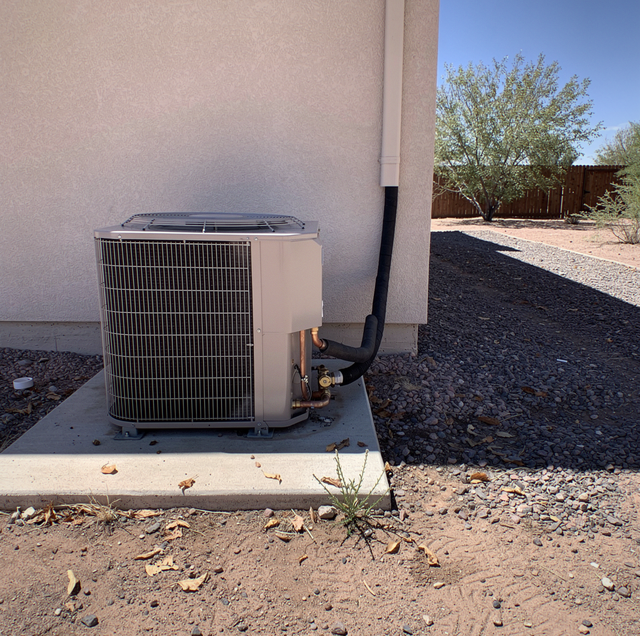
Your air conditioner does not use up refrigerant the way your car burns through gasoline. The same fixed charge cycles through the coils and lines for the life of the system, carrying heat out of your home and releasing it outside on every single pass. A shrinking supply almost always means one thing: the sealed system has sprung a leak somewhere along that path.
Once a leak starts, it rarely stays quiet for long. You are likely to notice one or more of four signs: weaker cooling, a hissing or bubbling sound near the unit, ice where none belongs, or a bill that keeps climbing. Knowing what each sign means helps you catch your leak early, before it costs you a whole summer of comfort.
Sudden Drop in Cooling Ability
You expect your air conditioner to hold a temperature once it reaches it, so a sudden drop in cooling stands out quickly. The air still moves through the vents, but it feels lukewarm rather than cold, and the house never quite reaches the number on the thermostat. This traces back to a shrinking refrigerant charge: with less refrigerant moving through the coil, the system has less capacity to pull heat from the air passing over it. The same coil also pulls moisture out of the air it cools, so a low charge leaves rooms feeling damp as well as warm, and damp indoor air invites mold and mildew.
Hissing or Bubbling Near the Unit
A healthy refrigerant line runs quiet, so hissing, bubbling, or gurgling near the outdoor unit deserves attention. Refrigerant moves through copper lines and coils under pressure, and a hole or a loose fitting lets it escape as a gas, often making a faint hiss you can hear standing close to the unit. Bubbling or gurgling can mean the leak is letting air into the line along with the refrigerant, not just escaping as a hiss. Either sound is worth noting rather than dismissing it as compressor noise.
Ice on the Coils or Refrigerant Lines
Ice has no business forming on an air conditioner in the middle of summer, yet a refrigerant leak often produces exactly that. When the charge runs low, the pressure inside the evaporator coil drops, and the coil can get cold enough that moisture in the air freezes directly onto it instead of draining away as condensation. You may see frost on the copper lines outside as well as ice building up on the indoor coil itself.
Rising Energy Bills Without a Clear Cause
A refrigerant leak rarely shows up first on the home's utility bill the way a broken part does, but it still does. As the charge drops, your AC runs longer to move the same amount of heat, and a system that runs longer draws more electricity to achieve the same result. If your bill keeps climbing while your habits and the weather stay the same, a slow leak is worth ruling out.
What Drips From Your Outdoor Unit?
Water dripping from the indoor unit or the condensate line outside is normal. Warm indoor air passes over the cold evaporator coil, moisture condenses on it, and that water drains off through a dedicated line, usually near the outdoor unit or a wall pipe close to the furnace or air handler. A steady drip of clear water on a hot day is the system doing exactly what it is designed to do, and it is not a sign of anything wrong with the refrigerant charge.
A refrigerant leak looks and behaves differently. Instead of a clean drip, you may see an oily residue around a fitting, valve, or joint in the line set, since the oil that lubricates the compressor travels with the refrigerant and leaves a trace wherever the gas escapes. That residue, not water, is the detail worth photographing and describing to a technician, since it indicates a sealed system rather than normal condensation.
Why One Leak Causes All Four Signs
These four signs are not four separate problems. They are different ways the same shrinking refrigerant charge shows up in a system that depends on a fixed amount of refrigerant to move heat correctly. Pull that charge down with a leak, and every part of the cycle drifts off target at once.
Lower pressure means the evaporator coil runs colder than it should, which lets frost form on the coil or the lines, even in summer heat. That same low charge means the coil pulls less heat out of the air passing over it, which is the weaker cooling you feel at the vents. The compressor and fans keep running because the thermostat still calls for cooling that never fully arrives, so the system logs longer runtimes and pulls more electricity to chase a temperature it cannot reach, which is the piece that eventually shows up as a higher bill. And the leak itself, wherever it sits along the line set, is what produces the hissing or bubbling you hear as refrigerant escapes under pressure.
None of that explanation shows you how much refrigerant is left or exactly where along the line set the leak sits, and guessing at either one from the signs alone, without ever opening the sealed system, leaves DIY diagnosis with nowhere to go.
What to Do When You Notice These Signs
When you notice one or more of these signs, the most useful thing you can do is pay attention and write down what you saw or heard. Note whether the cooling dropped suddenly or gradually, where any sound or ice showed up, how long the ice took to form, and roughly when your bill started climbing compared to a typical month. That record turns a vague complaint into specific information a technician can act on right away, not a guess made from memory during the visit.
Never open a refrigerant line or tighten a leaking fitting yourself; escaping gas can freeze skin and displace breathable air, so licensed HVAC technicians handle both.
Waiting rarely makes any of this simpler. A small leak keeps draining the charge day after day, so a system that is merely working harder now can end up straining a compressor that was never designed to run on a partial charge for long. Scheduling a visit while the signs are still mild usually means a faster diagnosis and a smaller repair than waiting until the AC stops cooling altogether on a hot afternoon.
Most homeowners never need to identify exactly which of the four warning signs matters most. Any one of them, on its own, is reason enough to have the system looked at, and a licensed technician can usually confirm within a single visit whether refrigerant is really the issue or something else in the AC, like a dirty coil or a failing fan, is at play instead.
A technician brings gauges that read the actual pressure inside the sealed system, an electronic sniffer that can pinpoint a leak too small to hiss audibly, and sometimes a dye that shows exactly where refrigerant is escaping under ultraviolet light after circulating through the system for a while. None of that shows up in a phone photo of frost on a line or a puddle of condensate by the unit.
Once the leak is found, the repair depends on where it is located and how the line or coil is built. A technician seals or replaces the affected section of copper line or the fitting itself, pressure tests the repair to confirm it holds under normal operating conditions, and then recharges the system to the exact amount of refrigerant that particular model and outdoor unit calls for. Too little and the AC still struggles to cool; too much can be just as hard on the compressor over time.
A photo can show you frost on a line or water pooling near the unit, and it is worth taking one before you call. What it cannot show is the pressure inside the coil, where along the line a fitting has failed, or whether the compressor has taken damage.
None of this asks you to open a line, add refrigerant, or guess at a repair on your own. It only asks you to notice what is happening at home and get a licensed technician on site, since a hands-on check catches details that a photo or a phone call never quite carries.
Frequently Asked Questions
It often sounds like a faint hiss near your outdoor unit or along the line set, since escaping refrigerant gas moves through a small worn opening under pressure. A larger leak can sound more like bubbling or gurgling instead. If you hear either sound near your AC, mention it to a technician.
No. Your refrigerant lives inside a sealed, pressurized system, and adding more on your own without first fixing the leak only delays the underlying problem and risks frostbite on contact. It also skips whatever let your charge escape in the first place. A licensed technician needs to find your leak, repair it, and recharge the system correctly.
Cooling depends on a full, correct charge of refrigerant moving heat out of the warm air passing over the evaporator coil each cycle. When a leak drops your charge, the coil pulls less heat per pass, so the air leaving your vents is warmer than it should be, even though your blower is still moving plenty of air through the house.
Usually, yes. A refrigerant leak is a physical opening in your line or coil, and that opening does not heal on its own. Your charge keeps draining a little at a time, so your cooling, which is only slightly off today, can turn into a system that barely cools or ices over within a matter of weeks. Catching the signs early keeps your eventual repair smaller.
Not always. Ice can also form when airflow across your coil is restricted, most often by your dirty filter or closed vents, since the coil gets too cold once warm indoor air stops moving steadily across its surface the way it should. A refrigerant leak is the other common cause. Either way, running your system with ice on it risks your compressor, so shut it off and call a technician for the AC.
A technician usually starts with gauges that show the actual pressure inside your system, since a low reading confirms a leak exists before anyone starts looking for its exact location along your line. From there, an electronic detector gets passed slowly and carefully along your lines, coils, and fittings, listening for the specific gas your AC uses. For a slow or hard-to-find leak, a fluorescent dye can be added to the refrigerant so it glows under a UV light at the exact point it escapes. None of this happens quickly from your driveway, which is why a proper inspection of the AC takes real time.
Notice a sudden drop in cooling, hissing near the unit, ice on the lines, or a bill that keeps climbing — have a licensed Hi-Tech technician check the refrigerant charge, find the leak, and confirm the repair before summer heat ends. Hi-Tech Heating and Cooling serves Albuquerque, Rio Rancho, and Corrales. Call (505) 398-4398.
