
Why Zoned HVAC Installations Are a Game Changer for Seasonal Comfort
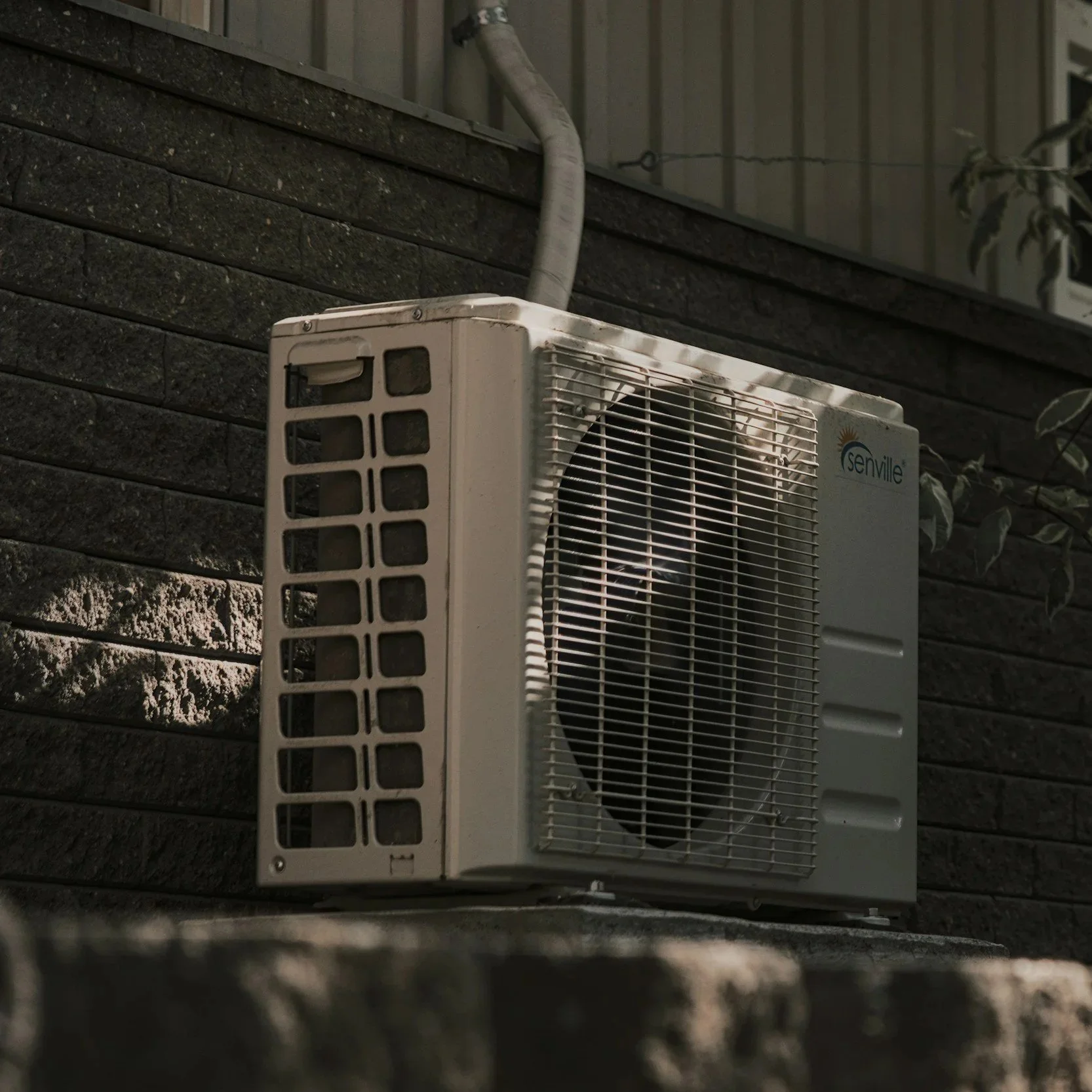
Zoned HVAC installations turn that daily debate into calm, predictable results.
Finding comfort that pleases everyone under one roof often feels like a thermostat tug-of-war. A single temperature setting rarely satisfies a draft-prone first floor, a sun-soaked upper level, and a basement that stays cool year-round. Zoned HVAC installations turn that daily debate into calm, predictable results. By dividing a home or business into targeted comfort areas, professional installation services deliver precise temperatures where people actually spend time. Energy waste drops, hot and cold spots fade, and seasonal swings lose their power to derail a perfectly good day.
How Zoned HVAC Systems Work Without Guesswork
A zoned system directs air only where it is needed. Motorized dampers inside the ductwork open and close under the guidance of dedicated thermostats. Each zone runs on its own schedule and preference. Ductless systems use multiple indoor heads paired with a single outdoor unit to accomplish the same mission. Professional installation service maps zones to layout and usage patterns, then balances airflow so one area does not dominate another. The design looks simple on the surface, yet the underlying calculations and damper placement require precision to perform as promised.
Seasonal Comfort Where It Matters Most
Summer heat rises and collects upstairs. Winter cold settles in basements and near slab floors. Zoning counters those predictable shifts by sending cooling to upper levels during long July afternoons and delivering cozy warmth to ground floors on frosty mornings. A living room with wide south-facing windows may need extra summer attention, while a north-facing home office benefits from steady warmth in January. With zones placed thoughtfully, temperatures feel even throughout the year without blasting the entire building just to fix one stubborn area.
Energy Efficiency That Pays Dividends
Heating or cooling rooms that sit empty burns money quietly. Zoned HVAC installations trim that waste by matching output to occupancy. Bedrooms can relax during the day and wake up comfortable at night. Guest rooms stay in an efficient setback until visitors arrive. Professional Installation Services tighten the energy picture further by sealing ductwork, right-sizing equipment, and calibrating dampers. Lower runtime translates into smaller utility bills and longer equipment life, a combination that looks good on both the monthly statement and the long-range budget.
Comfort Personalization Without Thermostat Drama
Different people prefer different temperatures. Zoned systems respect that reality without sparking a thermostat standoff. A cooler setting in a workout room can coexist with a warmer nursery down the hall. In a small office, the conference room can receive a quick pre-meeting cooldown while open workstations maintain a steady, quiet breeze. Installation services fine-tune control logic so zones respond gracefully, avoiding overshoot, short cycling, and the ripple effects that lead to complaints.
Smarter Controls That Keep Up With Busy Schedules
Modern zoning pairs naturally with programmable and Wi-Fi thermostats. Each zone can run its own schedule, warm up before people arrive, and ease back when the space sits idle. Remote control from a phone makes last-minute adjustments painless when plans change. Professionals program schedules, optimize setback strategies, and teach simple routines that fit daily life. The result feels like autopilot, only with better comfort and lower energy use.
Air Quality And Humidity That Feel Healthier
Comfort depends on clean air and balanced humidity as much as temperature. Zoned systems allow targeted filtration where allergies flare and focused ventilation where moisture builds. Kitchens, laundry rooms, and baths benefit from steady exhaust strategies, while bedrooms and offices thrive with higher-grade filters that capture fine particles. Installation services integrate these pieces with dampers and airflow balance, so every zone receives the filtration and ventilation it truly needs.
Multi-Story Homes And Complex Layouts Made Simple
Two stories, vaulted ceilings, and open lofts create a lovely architectural design and complex airflow. Zoning restores control. Upper floors receive cooling priority during warm afternoons, while the main level maintains a steady temperature for evening routines. Split-level designs with short stair runs and partial basements often confuse single-thermostat systems. With zoning, each tier maintains its own target without overworking equipment. Professionals study how sun, shade, and insulation interact, then design zones that reflect the building’s personality rather than fighting it.
Design And Ductwork Details That Drive Results
Great zoning starts with ductwork that moves air without friction. Long runs, sharp turns, and leaks sap performance. Professional installation service reviews static pressure, sizes trunks correctly, and seals joints so dampers can do their job. Supply registers and returns may shift locations to improve circulation. In older homes, strategic duct modifications refresh airflow without a full rebuild. The payoff shows up in quieter operation, steadier temperatures, and a system that uses less effort to deliver more comfort.
Mini-Split And Hybrid Zoning For Tricky Spaces
Sunrooms, over-garage bonus rooms, workshops, and attic offices rarely play nicely with a single central system. Ductless mini-split zones elegantly solve those edge cases. One outdoor unit can support several indoor heads, each with its own set point and schedule. Hybrid approaches combine a central zoned system for main living areas with a mini-split for a stubborn room that refuses to cooperate. Professionals select capacities carefully, route refrigerant lines cleanly, and place indoor heads where airflow reaches people rather than drifting into the nearest corner.
Quiet Operation That Fits Real Life
Comfort should not sound like a wind tunnel. Zoning reduces fan speeds by serving smaller areas at a time, which lowers noise in daily living spaces. Proper damper placement and balanced static pressure prevent whistling registers and rumbling ducts. Outdoor equipment sits on vibration-damping pads and out of line with bedrooms or quiet nooks. The whole experience feels calm, even when the system works steadily behind the scenes.
Commercial Zoning That Supports Workflows
Offices, clinics, salons, studios, and boutiques rely on spaces with different demands. A conference room crowds quickly and needs rapid cooling before meetings. Reception should feel welcoming, not chilly. Back-of-house areas benefit from modest set points and quieter operation. Zoned installations adapt to each function without requiring staff to act as thermostat referees. Building owners appreciate the energy profile, and teams appreciate the comfort that follows them from desk to meeting and back again.
Maintenance Habits That Keep Zones Sharp
Well-designed zoning reduces strain on equipment, yet routine care still matters. Clean filters keep airflow steady. Dampers should be inspected periodically to confirm smooth movement. Thermostats hold their calibration when professionals verify sensor placement and settings. Installation services often bundle seasonal tune-ups with zoning checks, preserving the careful balance that keeps the system performing. Small adjustments catch minor issues early and keep temperature control crisp through summer storms and winter cold snaps.
Real-World Scenarios That Show The Difference
A family with teens turns bedrooms into one zone, the main living area into another, and a basement hangout into a third. Evening movies no longer roast the upstairs, and homework time stays comfortable without overcooling the rest of the house. A small marketing firm divides its space into open workstations, a glass-walled conference room, and a production nook with heat-making equipment. Meetings feel fresh, creative sessions stay focused, and printers no longer push the nearby area out of range. These simple changes rely on sound design and careful commissioning, not magic.
Future-Ready Comfort Without Renovation Surprises
Needs change. Kids grow up, home offices expand, and hobbies migrate from spare bedrooms to studios over the garage. Zoned systems adapt with minimal disruption. Additional dampers can be added to a well-planned trunk, and control boards accept more thermostats when designed with expansion in mind. Smart platforms evolve through software updates rather than hardware overhauls. Professional installation services plan for the future from day one by leaving service access, documenting wiring, and clearly labeling components. Adaptation becomes a weekend setting change rather than a messy project.
Budget, Incentives, And Long-Term Value
Zoning involves components that add to initial cost, yet the math tilts in favor of value over time. Lower runtime trims utility expenses. Equipment enjoys an easier life, which translates into fewer repairs and longer service windows between replacements. Some regions offer incentives for advanced controls and efficiency upgrades, including zoning as part of a broader improvement plan. Professionals help owners weigh options based on local climate, building size, and usage patterns, then select a path that supports both comfort and financial goals.
Professional Installation Services Make The Difference
Zoned HVAC success hinges on the details. Load calculations for each zone anchor capacity decisions. Damper layout avoids pressure traps. Thermostat placement respects sunlight, air drafts, and room height. Control logic prevents zones from competing, and airflow balancing aligns real performance with design targets. Professional installation services bring all of those threads together, then commission the system with measured data rather than guesswork. The result feels effortless in daily life because the work behind the scenes leaves nothing to chance.
A System That Works With Life, Not Against It
Comfort should support routines rather than dictate them. Zoned HVAC installations create rooms that feel right when people use them and rest when they do not. Mornings begin in warm kitchens, afternoons stay pleasant in upstairs bedrooms, and evenings settle into living spaces that match the moment. Businesses enjoy steady environments that respect workflows and visitors. Energy use follows the same logic, concentrating effort where it delivers value. With thoughtful design and expert installation services, zoning replaces compromise with calm, season after season.
Hi-Tech Heating and Cooling offers a complete, one-stop solution for professional air conditioning services in Albuquerque, NM, including AC repair, AC maintenance, AC installation, AC replacement, and ductless mini-split AC systems. Our experienced team services residential and commercial cooling systems with a focus on quality workmanship, advanced technology, and long-term performance. We provide over 20 years of expertise and dependable AC service. Schedule your cooling service today and enjoy reliable comfort when it matters most.
