
Why Fans and Compressors Fail When You Need Cooling the Most
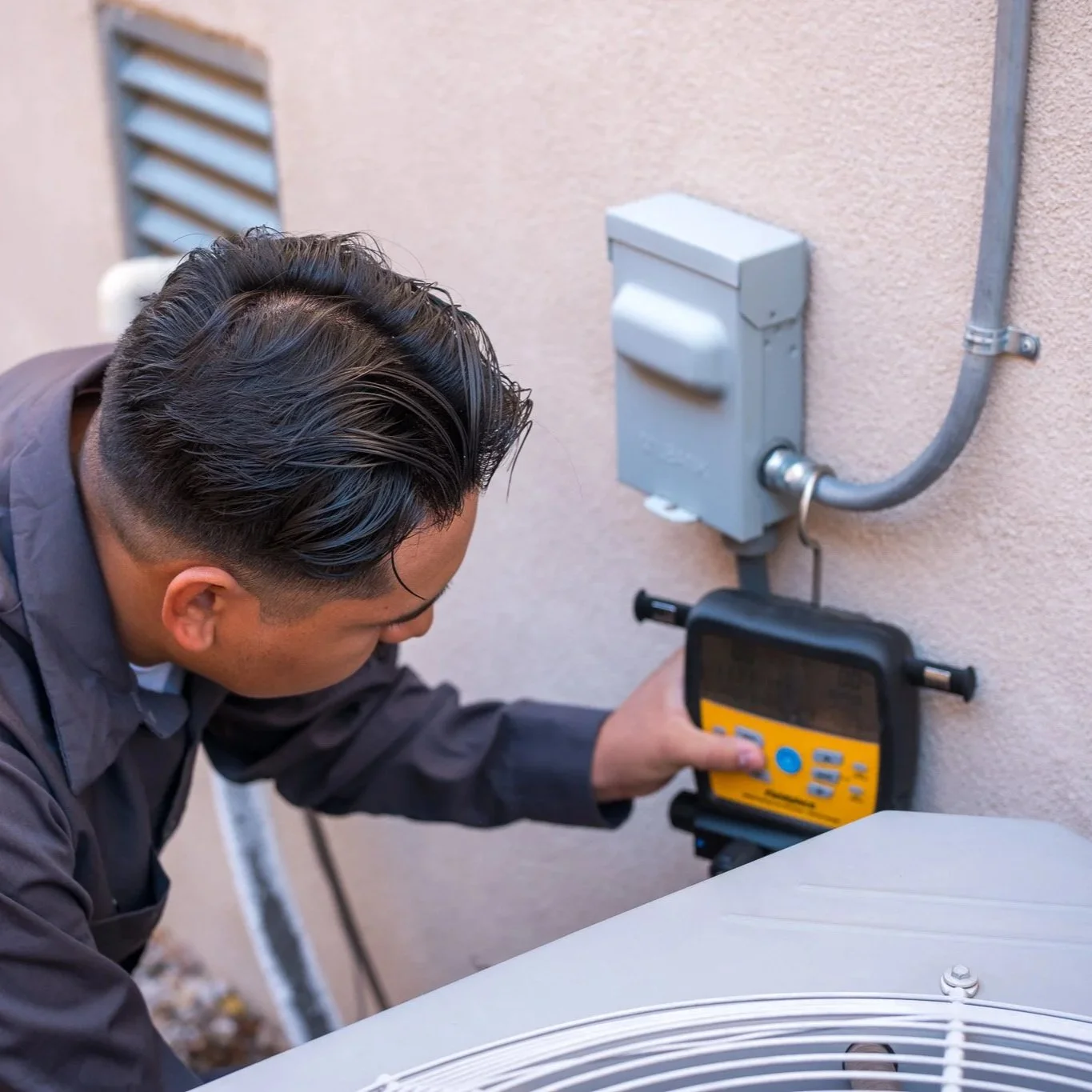
Fans and compressors are not just background parts of an HVAC system; they are the backbone of reliable cooling.
Cooling systems seem to wait until the hottest days of summer to reveal their weaknesses. Fans stop spinning, compressors stall, and the comfort you rely on disappears right when you need it most. Fans and compressors are not just background parts of an HVAC system; they are the backbone of reliable cooling. When they fail, the entire system is at risk. Professional repair services see these problems often, and the stories behind the failures reveal why preventive care matters just as much as fast response.
Fans Keep Air Moving And Systems Breathing
Fans push air across coils and through ducts, creating the circulation that enables cooling. Without steady airflow, the system cannot transfer heat effectively. Failures often stem from worn bearings, clogged blades, or weak capacitors that prevent the motor from running at full speed. A fan that drags or spins unevenly forces the compressor to work harder, creating a domino effect of stress across the system. Repair services handle these issues with inspections, cleaning, and replacement when needed, restoring balance before the rest of the equipment pays the price.
Compressors Drive The Refrigerant Cycle
Compressors are often called the heart of an HVAC system because they circulate refrigerant through coils. When the compressor stops pumping, cooling halts immediately. Failures frequently trace back to overheating, electrical stress, or low refrigerant that strips the compressor of lubrication. Professional repair services know that compressors rarely fail overnight. Instead, they give off subtle warnings—unusual noises, short cycling, or higher energy consumption. Acting on those signs early often saves the system from catastrophic breakdown.
Why Fans Fail During Peak Heat
Fans rarely struggle on mild days. The problems show up when they run at full capacity for hours in high temperatures. Dust on the blades adds weight and imbalance, which strains the bearings. Motors that run hot for too long eventually seize. Capacitors, which provide the energy boost to start fans, weaken over time and often fail during long cooling cycles. Repair services test each of these components under load conditions, making sure that what appears strong in spring will hold up during summer.
Why Compressors Fail When Cooling Demand Peaks
Compressors face their hardest workload in extreme heat. High outdoor temperatures increase operating pressure, forcing compressors to work harder to remove heat. Dirty condenser coils worsen the problem by trapping heat around the unit. Refrigerant leaks reduce cooling capacity and rob the compressor of the lubrication needed for smooth operation. Electrical spikes from summer storms or weak contactors can also deliver the final blow. Repair services address these problems systematically: cleaning coils, checking refrigerant levels, and testing electrical circuits. By controlling these conditions, compressors last longer and fail less often.
The Domino Effect Of Neglected Maintenance
Small maintenance tasks often prevent big failures. A clogged air filter may seem minor, but it restricts airflow, forcing fans to run overtime and compressors to operate at higher pressure. Dirty coils add strain and reduce efficiency. Drain lines that are ignored can back up, leading to water accumulation around electrical components. Professional repair services perform seasonal tune-ups that cover these details. Skipping them means stress builds quietly until fans and compressors fail right when you rely on them most.
Electrical Problems That Complicate Cooling
HVAC systems rely heavily on a stable electrical supply. Capacitors that weaken, relays that stick, or wires that loosen under vibration can all cause sudden shutdowns. Fans may stop starting altogether, or compressors may overheat due to a voltage imbalance. Professional repair services test electrical integrity with meters and diagnostic tools that reveal hidden weaknesses. Without those checks, problems appear random, leading to repeated failures that frustrate homeowners and business owners alike.
Signs That Fans Are Failing
Fans give clues before they stop completely. Squealing often points to dry bearings, while rattling suggests loose blades. A fan that hesitates before starting may have a failing capacitor. Reduced airflow, even with the fan spinning, usually indicates dirt buildup or a weakening speed. Professional repair services quickly interpret these symptoms and act before total failure renders the system useless.
Signs That Compressors Are Failing
Compressors warn as well. Warm air blowing from vents even though the fan is running suggests weak compression. Short cycling—when the system turns on and off repeatedly—indicates pressure or electrical issues. Buzzing or clunking noises suggest internal wear. Higher-than-normal energy bills may also point to a compressor that is losing efficiency. Repair services recognize these red flags and intervene with targeted repairs or replacements before failure becomes unavoidable.
Real-World Scenarios That Tell The Story
Imagine a family coming home to a stifling house during a heatwave. The fan motor had burned out after running with dirt-caked blades all summer. A routine cleaning and inspection would have prevented the failure. Or picture a small business relying on an old rooftop unit. The compressor locked up after refrigerant leaks went unaddressed. The cost of replacement could have been avoided with earlier professional service. Repair services encounter stories like these daily, and the common thread is delayed care leading to failure under peak demand.
Why Failures Always Happen At The Worst Time
Fans and compressors do not choose inconvenient moments to fail, but the physics of HVAC makes it feel that way. Systems operate comfortably under light loads, but weaknesses appear when demand peaks. Components that might limp along in May break entirely in July. Repair services understand this cycle and schedule preventive work before the seasons change. By tackling issues early, they reduce the odds of emergency calls during extreme weather.
How Professional Repair Services Protect Comfort
The difference between troubleshooting at home and professional repair services is the scope. A homeowner may replace a capacitor or reset a breaker, but without testing pressures, airflow, and electrical balance, the deeper problem remains. Professionals look at the entire system. They clean coils, test amperage draw, measure refrigerant, and align components so fans and compressors operate in harmony. That holistic approach prevents repeat breakdowns and extends equipment life.
Long-Term Value Of Early Intervention
Repair services do more than fix problems—they save money long term. Addressing a weak fan motor prevents a burned-out compressor. Cleaning coils reduces energy use, lowering bills while protecting equipment. Testing electrical connections avoids surges that could damage multiple components at once. By focusing on prevention and correction, repair services turn what might have been a costly emergency into a manageable repair scheduled on your terms.
Case For Professional Oversight
Fans and compressors look rugged, but they depend on balance, lubrication, and stable conditions. When those conditions slip, failure is only a matter of time. Professional repair services bring experience, tools, and a trained eye to catch problems before they spiral out of control. They diagnose not just what failed but why, making sure the same breakdown does not return. Comfort depends on that level of attention, especially during seasons when cooling is not optional.
Why Fans And Compressors Matter More Than You Think
Cooling systems depend on many parts working together, but fans and compressors carry the heaviest load. They move air and refrigerant, keeping comfort steady in the face of summer heat. When they fail, the entire system follows. Professional repair services keep them reliable with inspections, cleaning, electrical testing, and timely replacement when necessary. Failures may seem unpredictable, but the truth is that warning signs appear long before the breakdown. Recognizing them and calling for professional service makes the difference between a sweltering emergency and a cool, comfortable summer.
Hi-Tech Heating and Cooling offers a complete, one-stop solution for professional air conditioning services in Albuquerque, NM, including AC repair, AC maintenance, AC installation, AC replacement, and ductless mini-split AC systems. Our experienced team services residential and commercial cooling systems with a focus on quality workmanship, advanced technology, and long-term performance. We provide over 20 years of expertise and dependable AC service. Schedule your cooling service today and enjoy reliable comfort when it matters most.
