
How Often to Change Your HVAC Filter in Dusty New Mexico
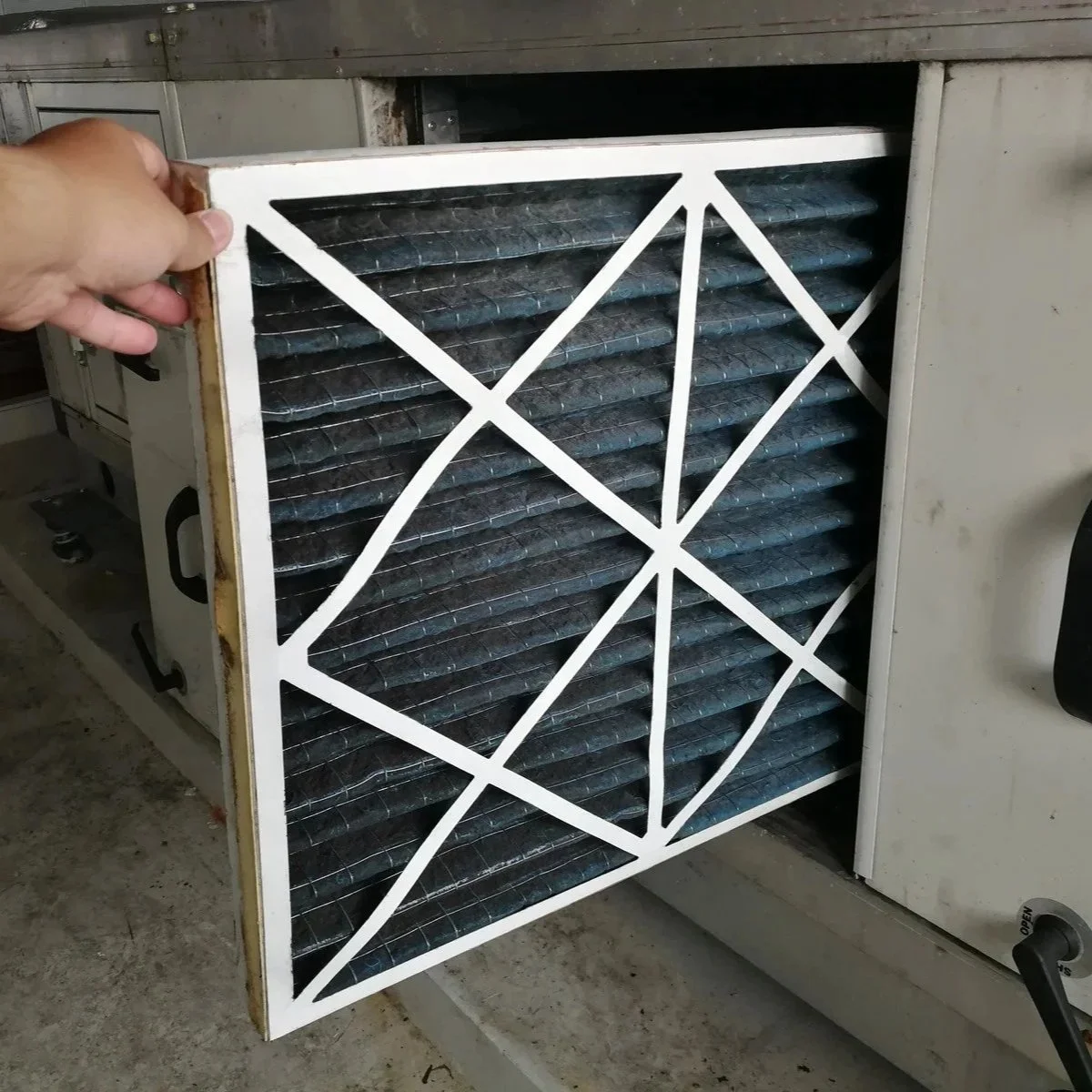
Quick Answer: A common guideline is to replace an HVAC filter every one to three months, but in dusty New Mexico, filters clog faster, so lean toward the shorter end and check yours monthly. How often you actually need to change it depends on the dust and conditions in your area, whether you have pets, how much you run the system, the filter type, and allergies in the household. A clogged filter restricts airflow, hurts cooling and efficiency, and strains the system. The simple habit: check it monthly, replace it when it looks dirty, and don't let desert dust build up.
The HVAC filter is one of the cheapest, simplest parts of your system — and one of the most important to keep up with, especially in New Mexico's dust. A clogged filter quietly drags down your cooling, raises your bills, and strains the equipment, yet it's easy to forget. The standard advice gives a range, but desert conditions shift the answer toward changing it more often. Here's how to think about filter changes where dust is a constant.
The General Guideline and Why Dust Changes It
The common recommendation is to replace an HVAC filter every one to three months. That's a useful baseline, but it assumes average conditions — and New Mexico's dusty, dry environment isn't average for filters. More dust in the air means the filter captures more, faster, and clogs sooner. So in a dusty climate, the right move is to lean toward the shorter end of that range and, more importantly, to check the filter regularly rather than rely on the calendar alone. The dust is the reason a one-size schedule doesn't fit here, and why monthly checks matter.
What Affects How Often You Should Change It
Several factors push the schedule shorter or let it run longer:
Dust and local conditions are the big ones in New Mexico — more airborne dust clogs filters faster. Pets in the home add hair and dander, clogging filters sooner. How much you run the system matters: heavy use during a long cooling season means the filter processes more air and needs changing more often. The filter type affects it too, since different filters have different capacities and lifespans. And households with allergies or sensitivities often benefit from changing filters more frequently to keep the air clean. Weigh these together, and a dusty home with pets and heavy AC use will need far more frequent changes than the baseline suggests.
| Factor | Change more often | Can go longer |
|---|---|---|
| Local dust | Dusty (New Mexico) | Low dust |
| Pets | Pets shedding | No pets |
| System use | Heavy, long season | Light use |
| Filter type | Lower-capacity | Higher-capacity |
| Allergies | Sensitivities present | None |
Why a Clogged Filter Matters
It's easy to dismiss the filter, but a clogged one causes real problems. It restricts the airflow the system needs, reducing cooling performance and making the system work harder, lowering efficiency and raising energy bills. The added strain wears on the equipment, and severely restricted airflow can even contribute to problems like a frozen coil. A dirty filter also stops doing its job of keeping dust out of the system and the air. So the small task of changing the filter protects your comfort, your bills, your equipment, and your air quality all at once — which is a lot of value for a cheap, quick swap, and a big reason not to let desert dust pile up in it.
The Simple Habit
Rather than memorizing a perfect interval, build a simple habit: check the filter about once a month, hold it up to the light, and replace it when it looks dirty or clogged. In dusty New Mexico, you'll often find it needs changing toward the one-to-two-month mark rather than three, especially with pets or heavy use. Checking monthly takes seconds and ensures you catch a clogged filter before it drags down the system. It's the easiest, cheapest piece of HVAC maintenance there is, and staying on top of it — particularly through the dusty, high-use summer — keeps the whole system running better.
Set a monthly phone reminder to check your filter, and keep spares on hand. In New Mexico's dust, you can't always predict when it'll clog, so a quick monthly look — replacing it whenever it's dirty rather than waiting for a set date — is more reliable than any fixed schedule.
Frequently Asked Questions
The general guideline is every one to three months, but in dusty New Mexico, filters clog faster, so lean toward the shorter end and check yours monthly. Rather than relying strictly on the calendar, hold the filter up to the light each month and replace it when it looks dirty. With the area's dust — plus pets or heavy summer use — many homes find they need changes closer to every one to two months. Monthly checks are the most reliable approach here.
Because there's simply more dust in the air for the filter to capture. The filter's job is to catch airborne particles, so in a dusty, dry environment like New Mexico's, it collects more, faster, and reaches the clogged point sooner than it would in a low-dust area. That's why the standard one- to three-month guideline shifts toward more frequent changes here. The more dust the system pulls in, the quicker the filter fills, which is why monthly checks matter in the desert.
A clogged filter restricts the airflow the system needs, reducing cooling performance, making the system work harder, lowering efficiency, and raising energy bills. The added strain wears on the equipment, and badly restricted airflow can even contribute to problems like a frozen coil. A dirty filter also prevents dust from being kept out of the system and your air. So neglecting it hurts comfort, bills, equipment life, and air quality at once — a lot of downside for skipping a cheap, quick task.
Yes. Pets add hair and dander to the air, which the filter captures, so it clogs sooner and needs changing more frequently. A home with pets — especially combined with New Mexico's dust and heavy summer AC use — will go through filters faster than a pet-free home. If you have pets, lean toward the lower end of the replacement range and check the filter monthly, since dust and pet dander can clog it quickly.
It does. Different filters have different capacities and intended lifespans, so some are designed to be replaced more or less often than others. That's one reason a single fixed schedule doesn't fit every situation. Whatever filter you use, the dust level in your area, your pets, your system use, and any allergies all factor in too. The reliable approach across filter types is to check monthly and replace when dirty, adjusting to how quickly yours actually clogs.
Check Monthly, Change When Dirty
In dusty New Mexico, the standard one-to-three-month filter guideline shifts shorter, because more airborne dust clogs filters faster — and pets, heavy summer use, filter type, and allergies push the schedule further still. A clogged filter quietly hurts your cooling, raises your bills, strains the system, and worsens your air. The simplest reliable habit beats any fixed date: check the filter monthly, hold it to the light, and replace it whenever it looks dirty rather than waiting for a calendar reminder that the dust doesn't care about. It's the cheapest, easiest HVAC maintenance there is, and in the desert dust, staying on top of it keeps cooling strong, bills lower, and the equipment protected all summer long. It's a one-minute habit that protects a system worth thousands, which is about as good a return as home maintenance offers.
Want your system running clean and efficient through the dust? — Get HVAC maintenance and filter guidance from experienced local technicians. Hi-Tech Heating and Cooling serves Albuquerque, Rio Rancho, Corrales. Call (505) 398-4398.
