
Filter Replacement Habits That Stop Dust From Owning Your HVAC System
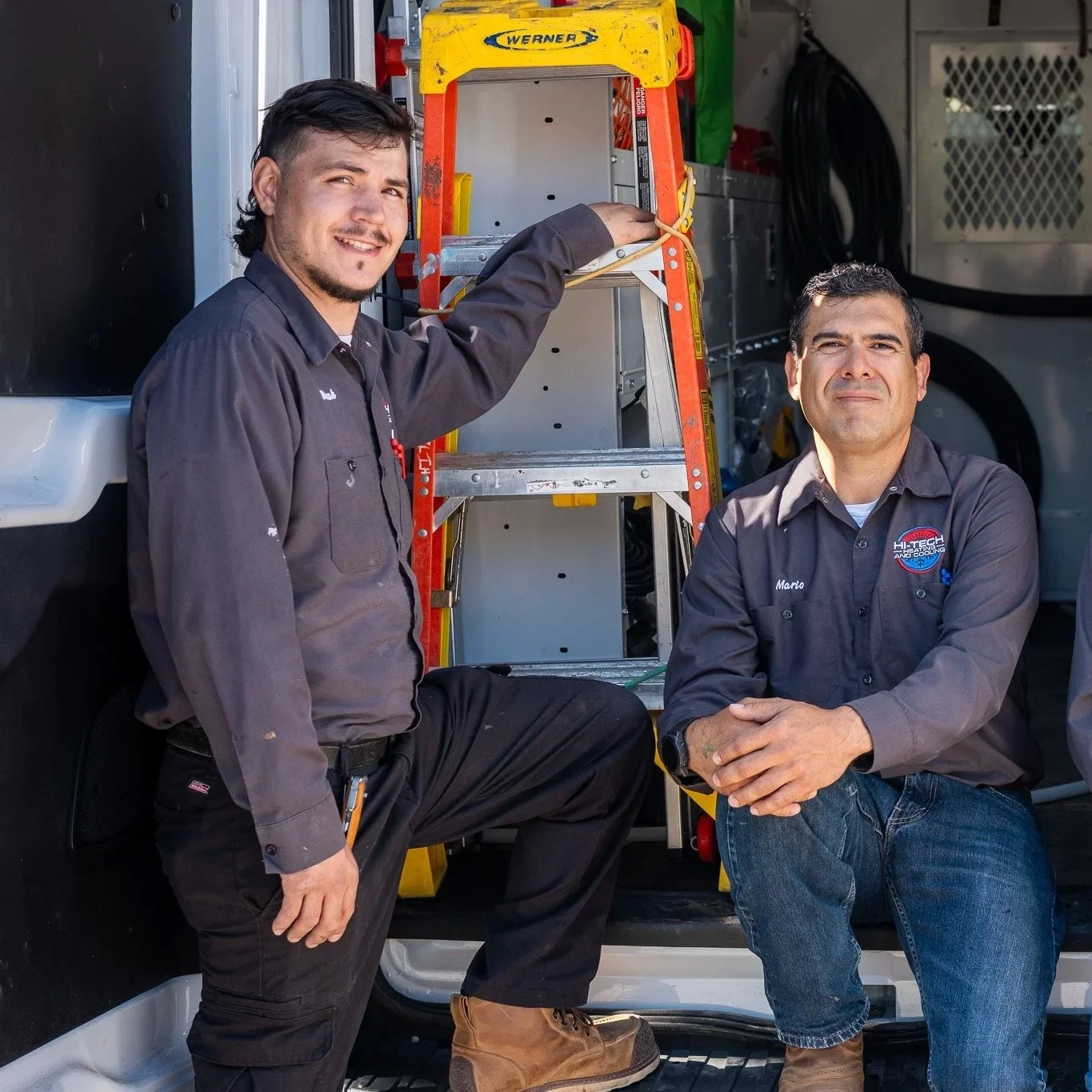
Professional maintenance services treat filter replacement as more than routine housekeeping.
Air filters may look unassuming, but they have a substantial impact on the health and efficiency of heating and cooling systems. A clean, correctly installed filter keeps airflow steady, improves indoor air quality, and protects equipment from heavy dust buildup. Professional maintenance services treat filter replacement as more than routine housekeeping; it is the first line of defense against the slow takeover of dirt inside a hard-working HVAC network.
Why Filters Protect System Health
Every ounce of air that enters a system passes through a filter. It captures dust, pollen, pet hair, textile fibers, and other particles before they reach sensitive components. Without that barrier, debris collects on evaporator coils, clogs drain pans, and lines ductwork with grime. A clogged filter acts like a closed door, forcing the blower to push harder while reducing airflow to rooms. Regular filter changes by maintenance services keep air pathways clear and shield expensive parts from damage.
Reading The Signs Of A Dirty Filter
Filters rarely shout for attention, but they leave clues. Air may seem sluggish at supply vents, or dust might appear more often on shelves and desktops. Allergy symptoms can intensify, and energy bills may edge upward as equipment runs longer to hit the thermostat setting. During scheduled visits, technicians inspect filters for discoloration, heavy lint, or distortion caused by suction. That check allows them to recommend a replacement schedule tuned to a property’s conditions and usage.
Choosing The Correct Filter
Not all filters suit every air handler or furnace. High-efficiency media can trap tiny particles, but if resistance is too high, airflow suffers. Professional maintenance services weigh the system’s blower capacity, coil design, and indoor air goals before recommending a filter. They verify that the dimensions match the slot perfectly, preventing bypasses that let dust sneak past the barrier. A well-fitted filter guards both indoor air and mechanical reliability.
Timing Makes A Difference
Filters gradually lose their ability to breathe as dust layers build. Waiting until airflow feels weak allows contaminants to spread through the ductwork and onto the coils. Maintenance services design replacement schedules based on occupancy, pets, environmental factors, and equipment age. A family with shedding pets may need monthly swaps, while a quiet office with sealed windows may stretch longer. Consistent attention prevents dust from taking hold inside the system.
How Clean Filters Boost Efficiency
Unclogged filters allow the blower to move air at the volume the system was designed to handle. Coils receive proper airflow, refrigerant pressures remain balanced, and burners or compressors operate within safe limits. Dirty filters, on the other hand, make motors strain and coils lose heat-transfer capacity. Professional replacements help the system cool or heat faster, saving energy and allowing components to rest between cycles.
Safeguarding Indoor Air Quality
Filters serve people as much as they protect machinery. A dirty filter lets particles bypass and circulate through living or workspaces. That debris lands on furniture, electronics, and flooring, while some remains suspended, irritating sinuses or triggering sneezes. During service, technicians replace filters and confirm return grilles remain unobstructed. Clean filters help create a fresher indoor environment and keep sensitive equipment free of fine grit.
Protecting Coils And Ductwork
Evaporator coils depend on steady airflow and minimal contamination to work properly. When filters clog, debris accumulates on coil fins, leading to icy buildup or slimy residue in drain pans. Dust that escapes can also lodge inside ductwork, reducing airflow over time. Maintenance visits check these areas during filter changes and catch the leaks and gaps that let unfiltered air in, which is what keeps debris from accumulating in the first place.
Adapting To The Seasons
Each season presents its own challenges for filters. Spring fills the returns with pollen. Summer stirs up dust from landscaping and foot traffic. Autumn scatters leaves and fine organic material, and winter heating may create soot or dry static-laden particles. Maintenance services time replacements around these shifts, giving filters the strength to capture seasonal offenders. Pairing filter swaps with tune-ups prepares systems for weather swings without stressing occupants or equipment.
Extending The Life Of Motors And Fans
Airflow restricted by clogged filters increases strain on fans and blower motors. Bearings work harder, windings heat up, and belts slip as resistance rises. Maintenance services measure motor amperage and observe fan behavior during filter visits, replacing filters that block airflow and recommending repairs when wear is evident. A clear filter helps moving parts stay cool and balanced, lengthening service life and reducing noise.
Energy Savings And Financial Benefits
The path to lower bills often runs through the filter slot. A clean filter allows shorter, more efficient cycles, so systems consume less electricity or fuel. Reduced runtime lowers overall operating costs and limits the risk of service calls caused by overheated motors or safety switches. Maintenance services treat filter management as part of an energy strategy that supports comfort while trimming unnecessary expenses.
Solutions For Special Environments
Certain properties put extra pressure on filters. Restaurants battle cooking vapors, bakeries deal with flour, and medical clinics prioritize capturing tiny airborne particles. Maintenance services select filters designed for those loads, set change intervals accordingly, and confirm that airflow remains steady despite higher filtration demands. Custom solutions maintain high air quality while protecting delicate HVAC components.
Keeping Dust From Claiming Living Space
Once a filter loses its edge, dust escapes and settles throughout interiors. Furniture, electronics, and décor gather a thin film that seems to return hours after cleaning. Professional replacements intercept particles before they roam, allowing occupants to enjoy tidy spaces without endless wiping. A clean filter means dust remains where it belongs—captured, not displayed.
Stopping Odors And Moisture Issues
Clogged filters sometimes trap damp debris, which can release an unpleasant scent through supply vents. Replacing them removes the odor source, while technicians also inspect drain pans and condensation lines for proper flow. A fresh filter paired with clear drains prevents musty air and discourages mold growth near returns.
Documentation Builds Confidence
Professional maintenance services record every filter swap, along with coil cleaning, blower checks, and other routine care. Those logs support warranty coverage, aid inspections, and provide property owners with a clear picture of system health. Organized records make planning future service simple and confirm that air quality and equipment performance receive ongoing attention.
Teaching Habits That Support Clean Air
Technicians often share simple tips during visits. They might point out furniture blocking return vents or recommend storing spare filters in a dry spot to keep them effective. They explain how candles, pets, or frequently open windows shorten filter life. That guidance helps occupants keep airflow strong between service calls, giving maintenance efforts lasting power.
Filters As Part Of A Larger Maintenance Plan
Filter replacement is most effective when integrated with other services such as coil cleaning, blower inspections, and thermostat calibration. Maintenance services schedule these tasks together so each piece of the system benefits from clear airflow and optimal operation. Coordinated care delivers balanced comfort and steady efficiency year-round.
Building Trust In Reliable Comfort
A clean filter inspires confidence that an HVAC system will handle whatever the season delivers. Air moves evenly, rooms stay at comfortable temperatures, and equipment runs without the drag of hidden dust. Professional maintenance services combine replacement with inspections and measurements, creating a reliable foundation for heating and cooling across every square foot.
Hi-Tech Heating and Cooling offers a complete, one-stop solution for professional heating services in Albuquerque, NM, including heating repair, heating maintenance, heating installation, and heating replacement. Our experienced team services residential and commercial heating systems with a focus on quality workmanship, advanced technology, and long-term performance. Whether you need emergency heating repairs or a full system replacement, we provide over 20 years of expertise and dependable HVAC service. Schedule your heating service today and enjoy reliable comfort when it matters most.
